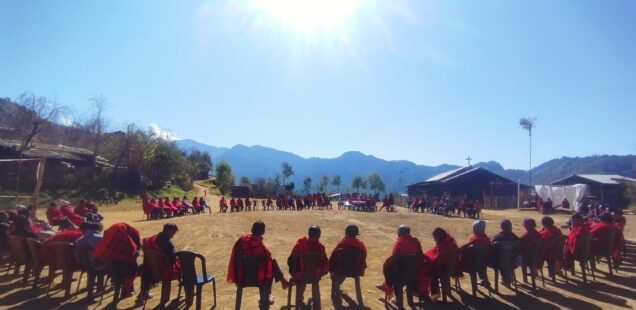
Two Yimkhiung communities learn practical skills from one another and consider collaborating as custodians of a forest teaming with biodiversity in Eastern Nagaland (India)
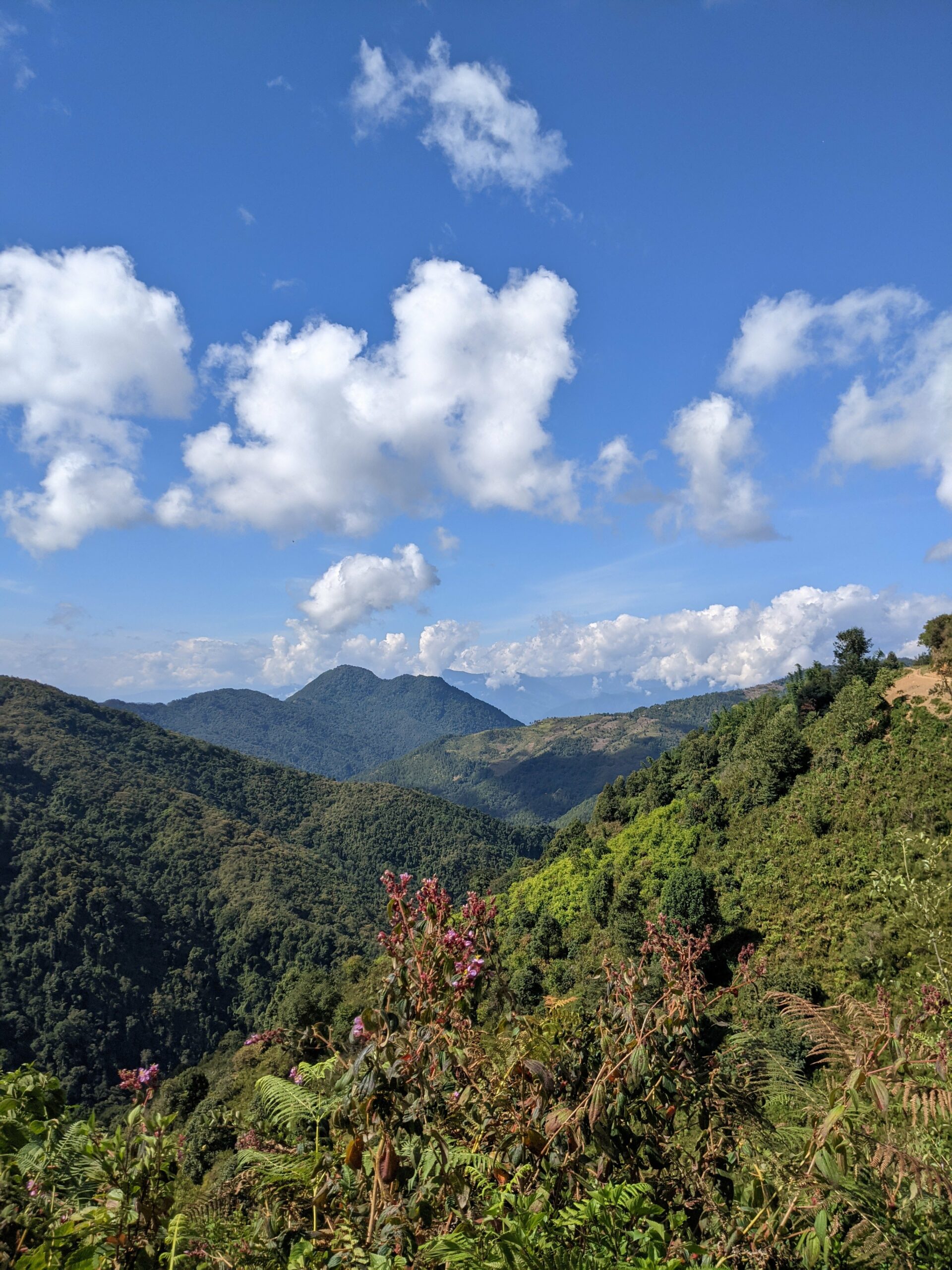
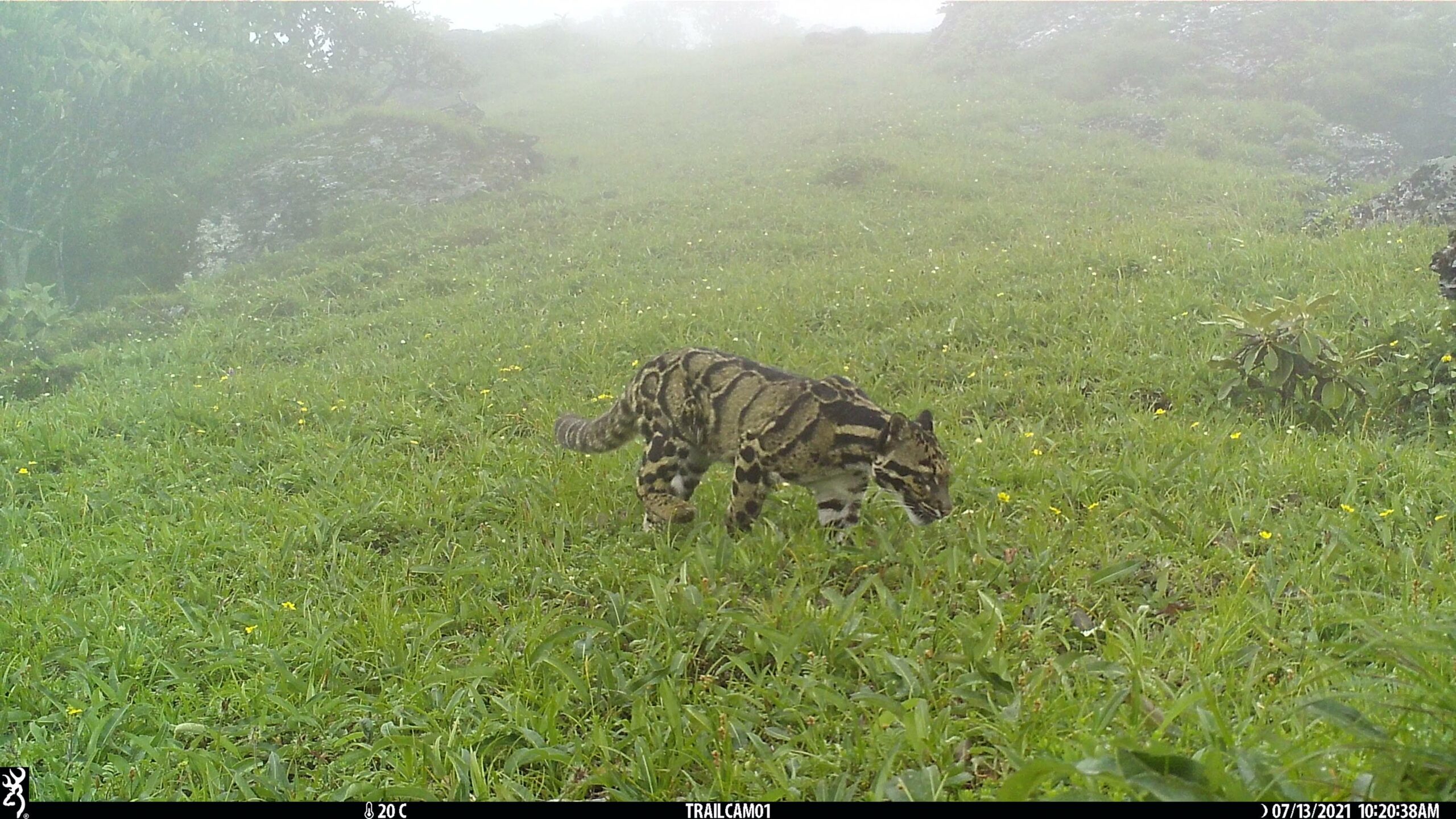
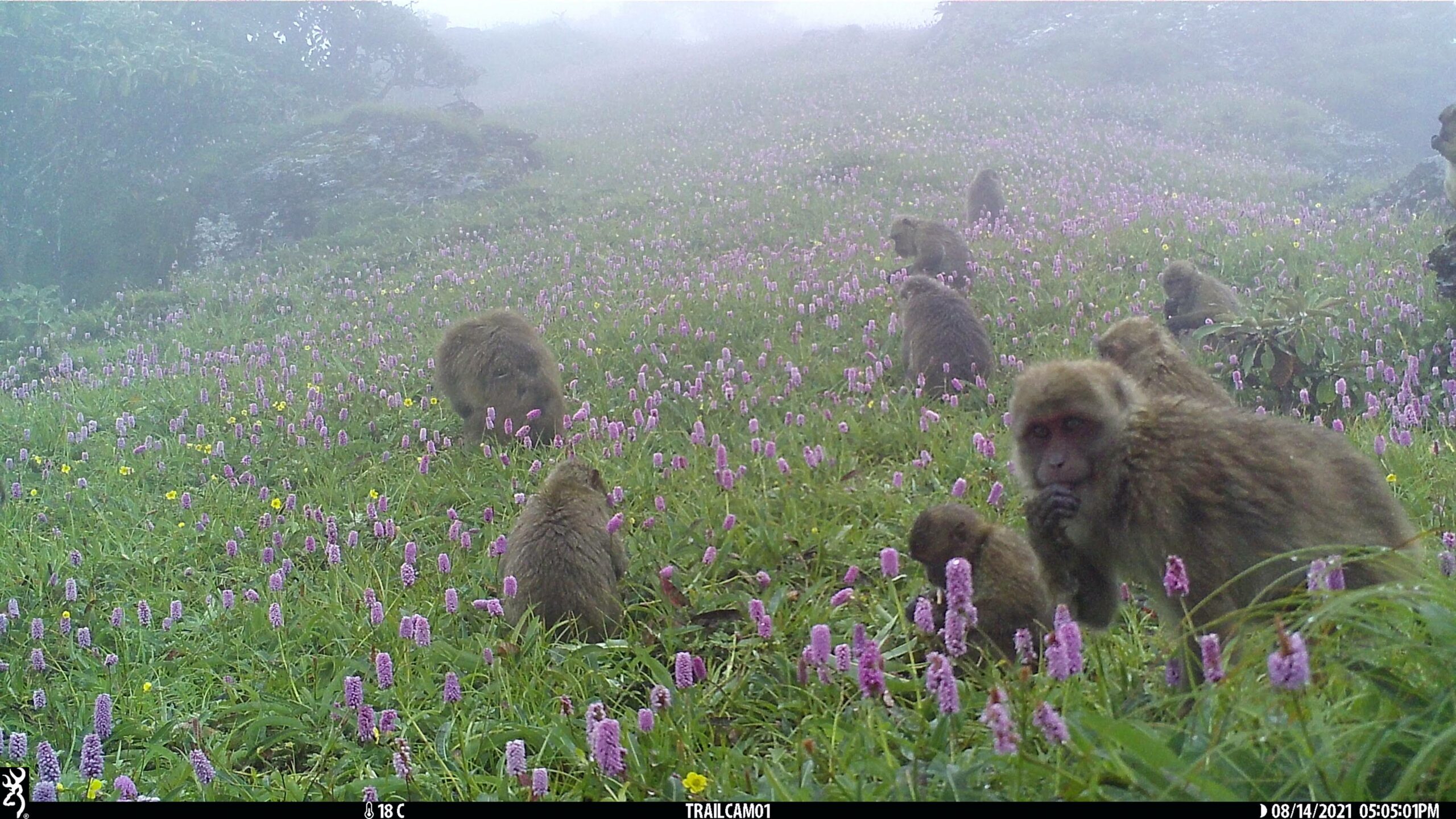
The Nagas are a transboundary Indigenous group with a long history of colonisation, missionary influence, and militarisation. Following India’s independence from British rule, a prolonged period of armed conflict, resistance, and negotiations between the Indian government and insurgent groups did ensue. In the late 1990s, a ceasefire agreement finally initiated a peaceful political dialogue with the government who recognized the Naga peoples unique culture, history and politics. This recognition is also reflected in constitutional provisions that grant Naga people a right to practice their culture, customary laws and importantly land ownership. Today, in villages along the Saramati range of Eastern Nagaland, different clans of the Yimkhiung Naga remain as ancestral custodians of over 10,000 hectares of tropical forests, which supports remarkable biodiversity. Over 30 mammal and 300 bird species have been recorded here, many endemic and endangered. Many more are still to be identified and studied. The conservation of these forests and biodiversity depends on the willingness, capacity and collaboration among their resident communities.
For the Yimkhiung, these forests are deeply connected to identity, culture, and customary systems of stewardship. Yet, the communities across the landscape manage their customary lands, forests and wildlife via diverse approaches, often developed in isolation. Historical conflict, mistrust, and long-standing separation between neighbouring villages have offered limited opportunities to learn across communities or to collaborate to conserve the forests and support people’s livelihoods and wellbeing. Necessarily, this has also limited the capacity to maintain indigenous knowledge across generations.
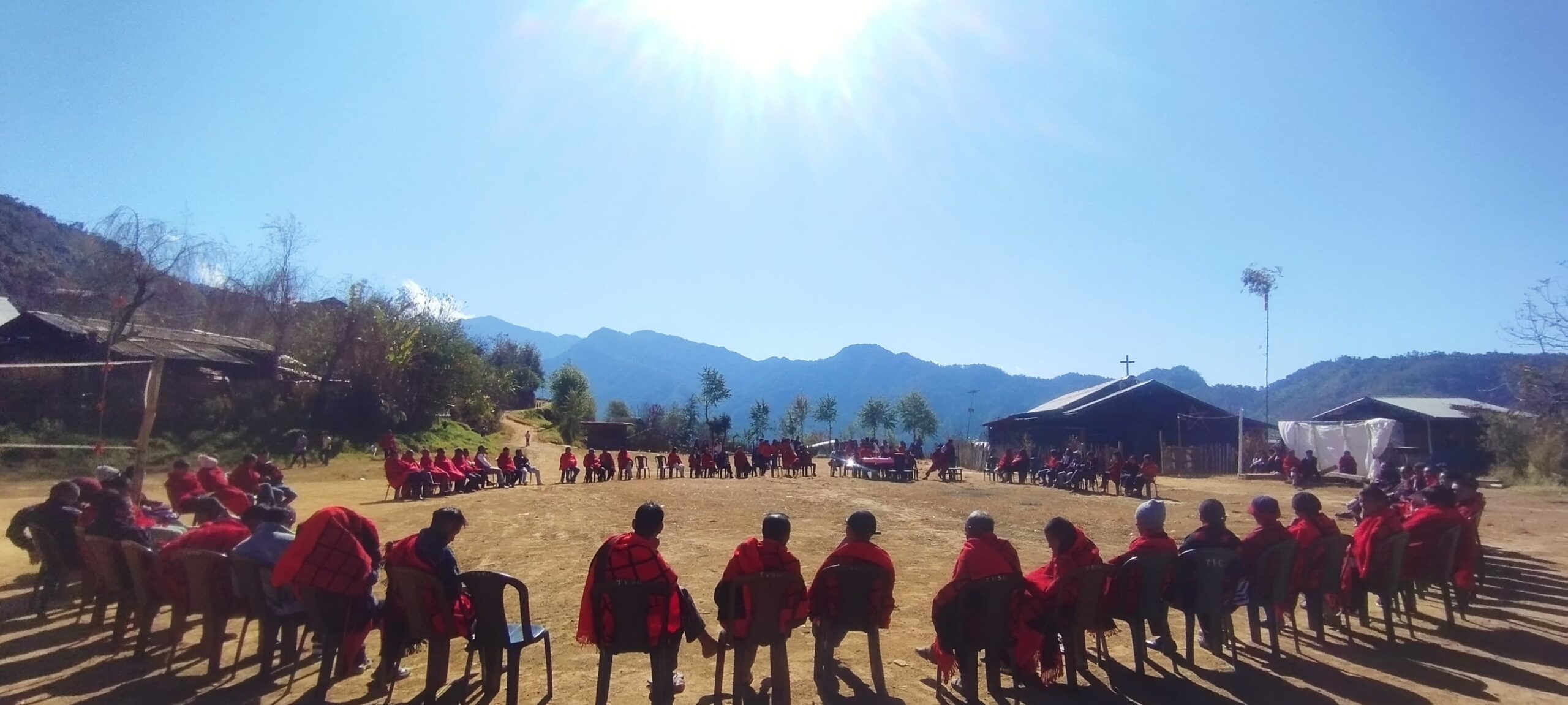
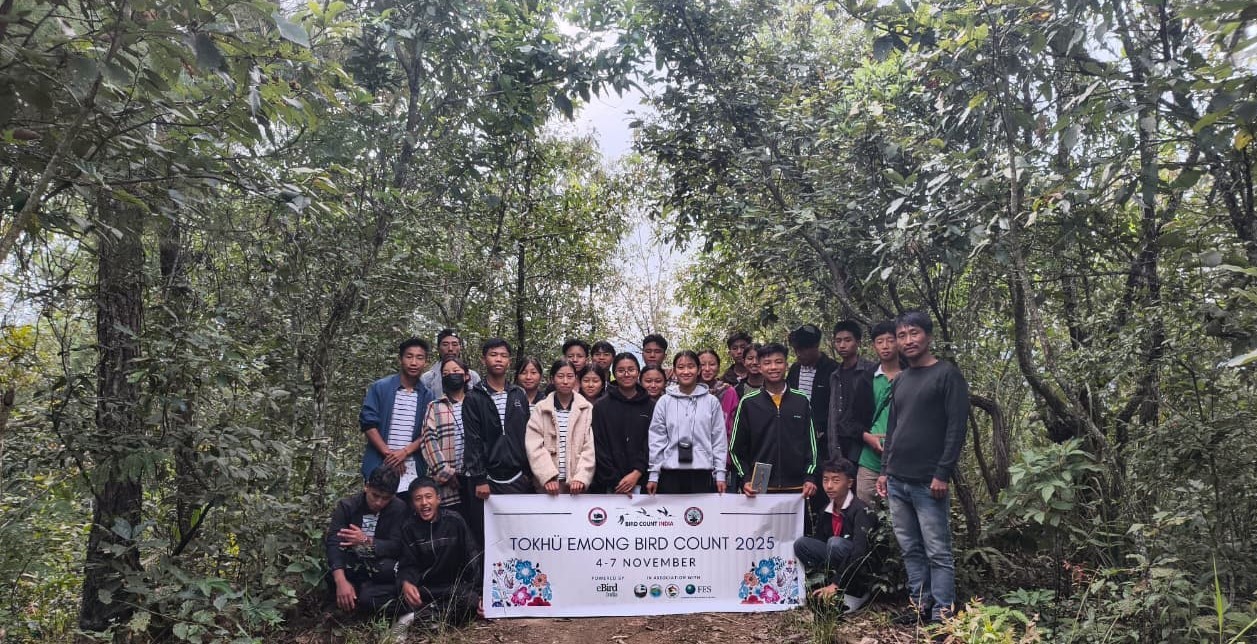
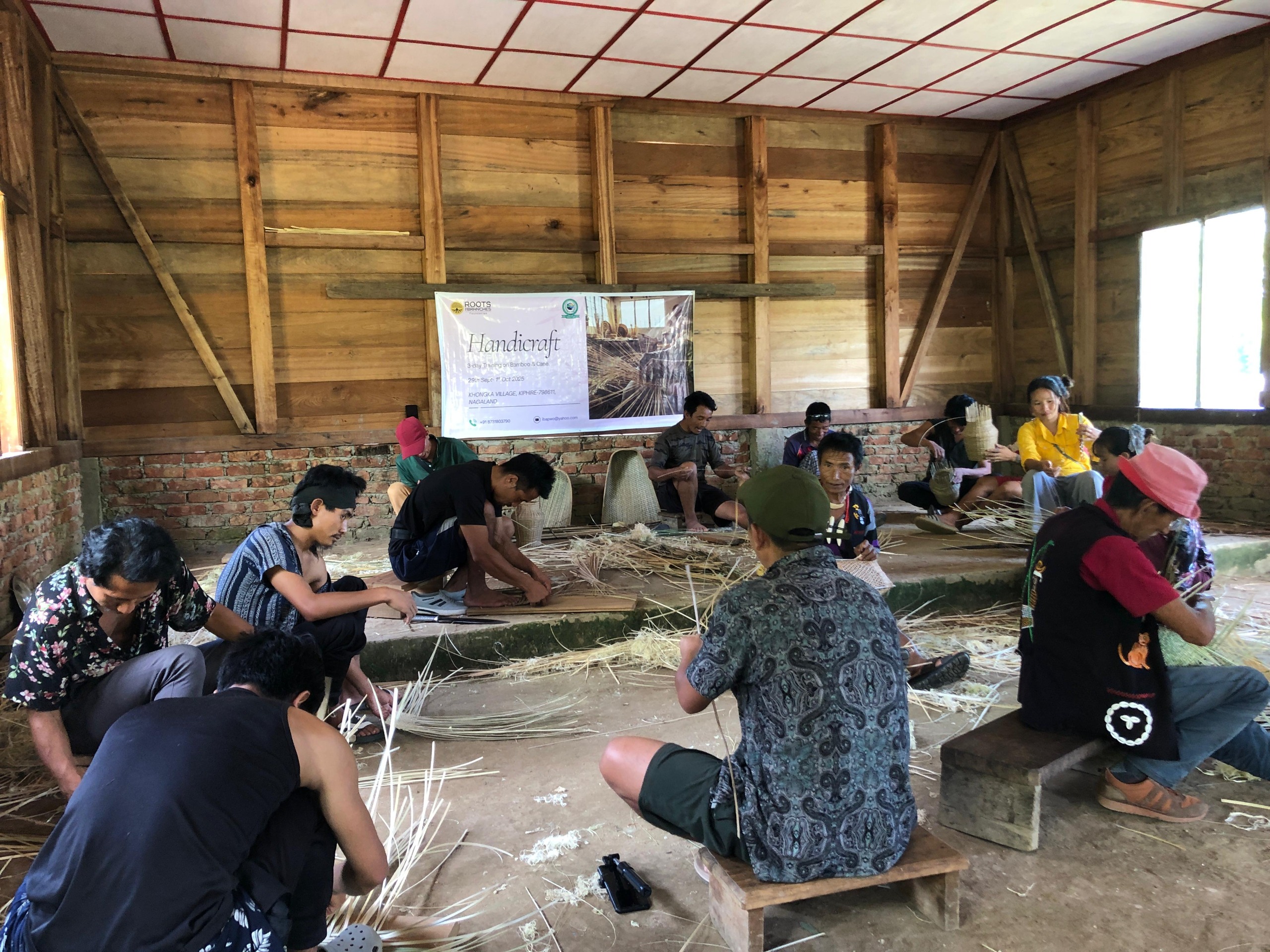
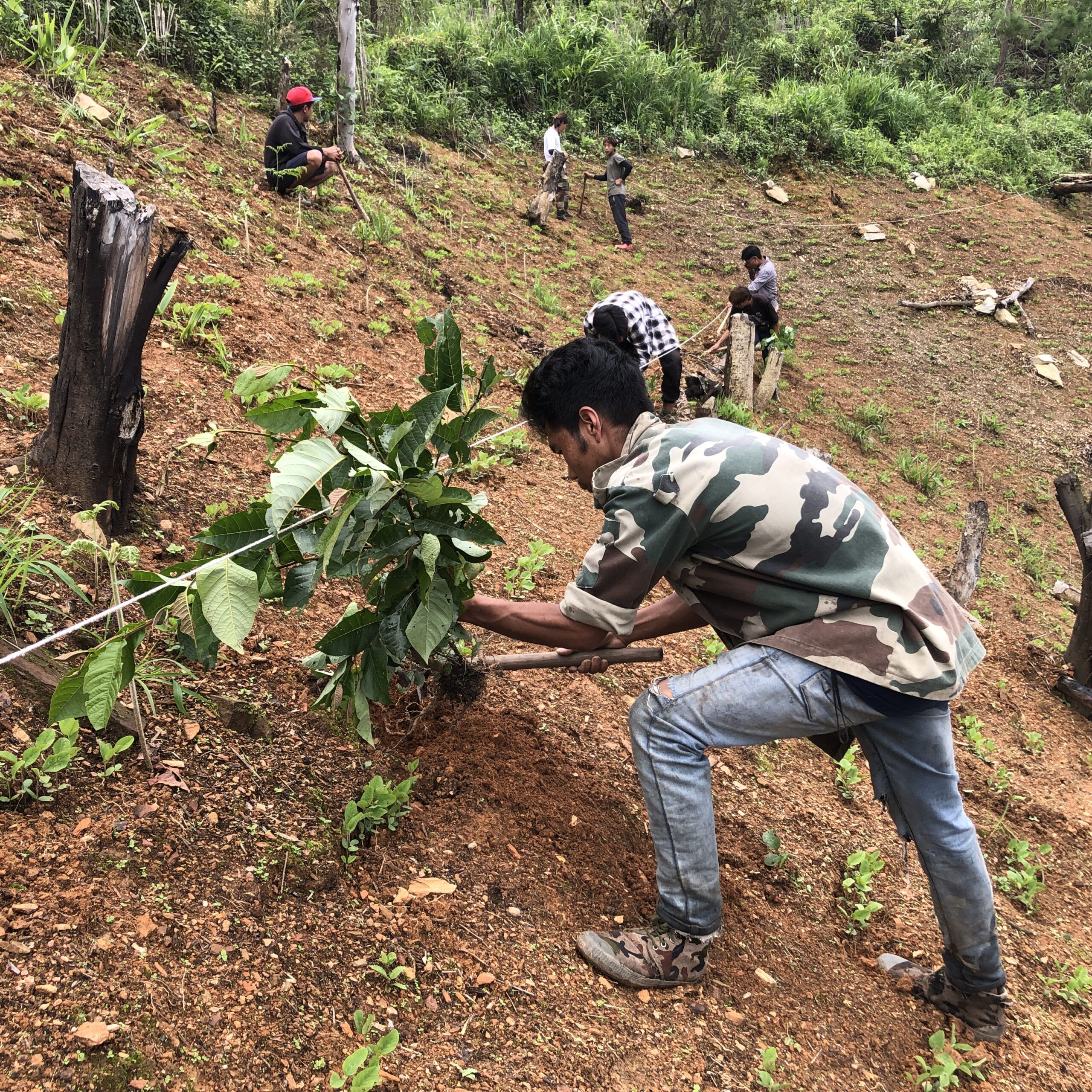
Thankful for the conception and organizing leadership of the Global Diversity Foundation, APKF is participating in supporting two Yimkhiung communities— Thanamir and Khongka—so that they reconnect, exchange knowledge, and pass on to one another some of their complementary strengths. Thanamir has worked for some time on its Meramvong Conservation Program (MCP), effectively monitoring animal biodiversity, identifying useful indicators and establishing a pilot ecological baseline for birds and mammals. Khongka has been nurtured by the International Border Area People’s Welfare Organisation (IBAPWO), with whom has developed excellent experience with native plant nurseries, restoration plots and livelihood schemes. This initiative will build bridges between the two communities via the sharing of their practical capacities. It will foster their mutual trust, reciprocity, and solidarity via a strategic exchanges of knowledge and skills, and a joint reflection about the challenges and opportunities they face as custodians of their shared territory of life.
Over 18 months, a series of small-scale, community-led exchanges will be locally planned and organized, so that people from the Thanamir and Khongka communities may share at best their complementary strengths. Visiting people from Thanamir will work alongside their hosts in Khongka to develop simple, locally appropriate biodiversity monitoring approaches. And visiting people from Khongka will support their hosts in Thanamir’ to identify and propagate locally appropriate plant species, develop a small native-species nursery and set up some pilot restoration plots.
The meetings, which will alternatively take place in one and the other community, are not intended either to resolve historical conflicts or to set up major efforts for ecological restoration. They will, however, create a ground to discuss the challenges encountered by the two communities and their achievements. They will leave community members with practical knowledge, skills, tools and budding initiatives that will be maintained, documented, adapted and expanded by the communities themselves.
The inter-village learning exchanges will also bring together elders and youth, leaders and common people and, with the facilitation of trusted mentors, initiate a common reflection about joint efforts at governing, managing and conserving their ancestral forest. It will only be the communities themselves, that will decide whether they are ready to overcome their historically limited interactions and work together. Hopefully, however, sharing capacities and recognizing a shared responsibility for their territory of life will result in enhanced solidarity and a lasting collaboration to meet that responsibility together.