A network of custodians strengthens its own knowledge and collective action to conserve sacred groves— micro-refugia of ecological, cultural and historical significance in Kerala (India)
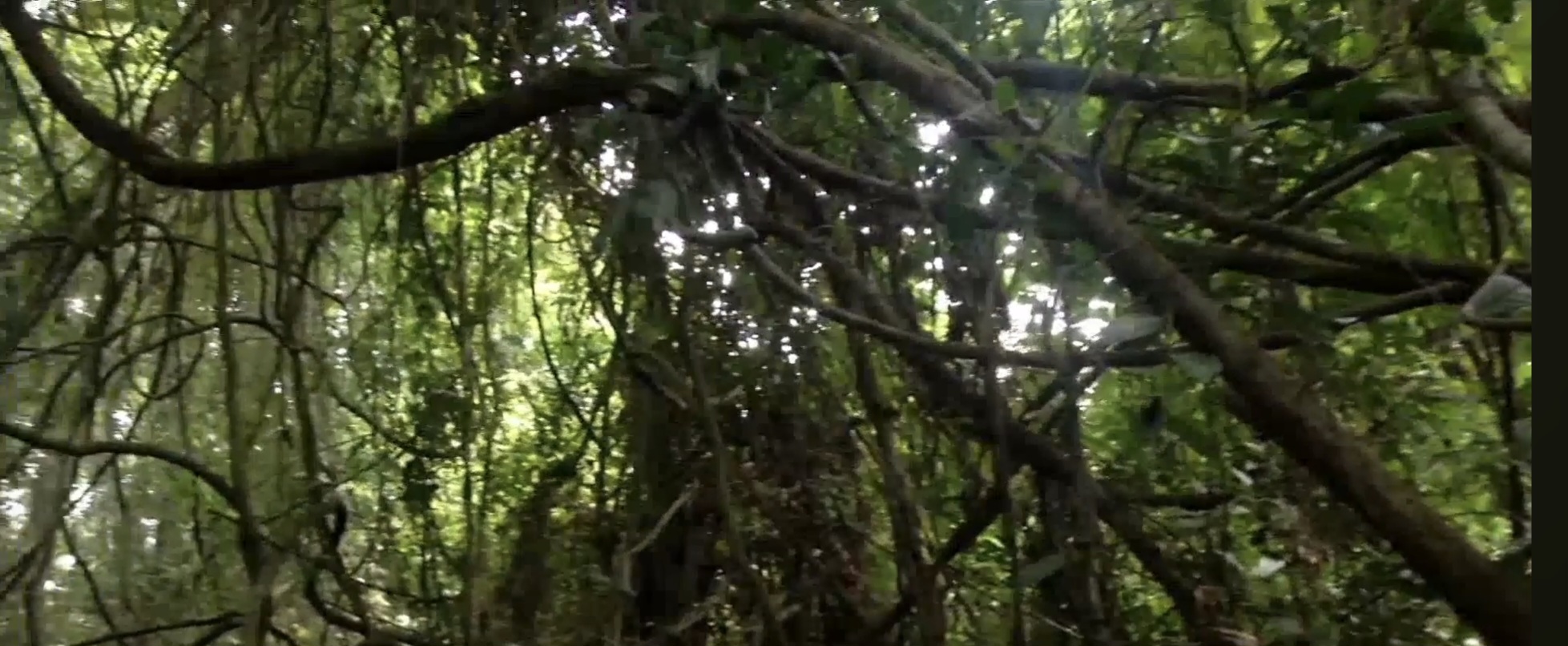
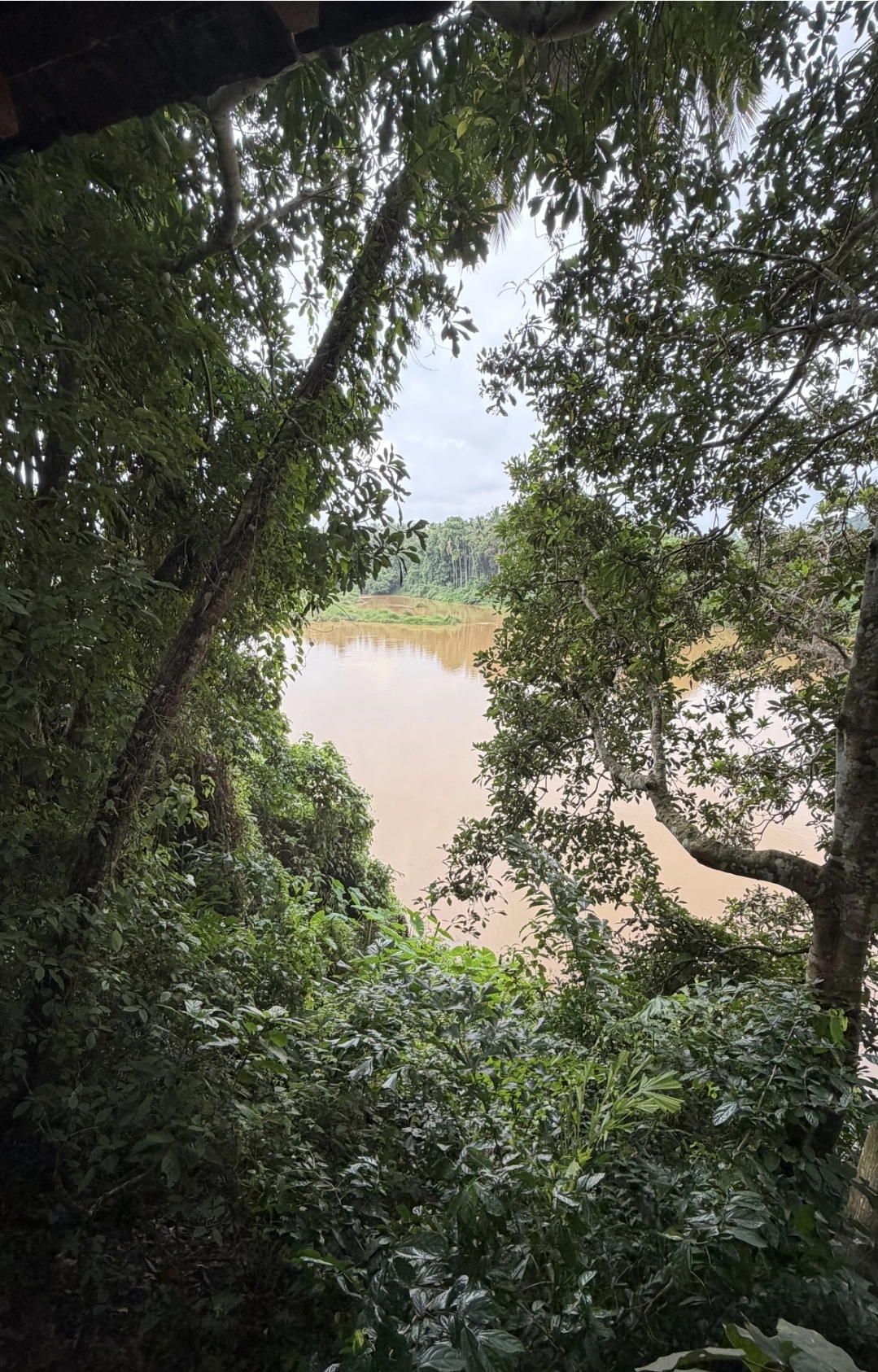
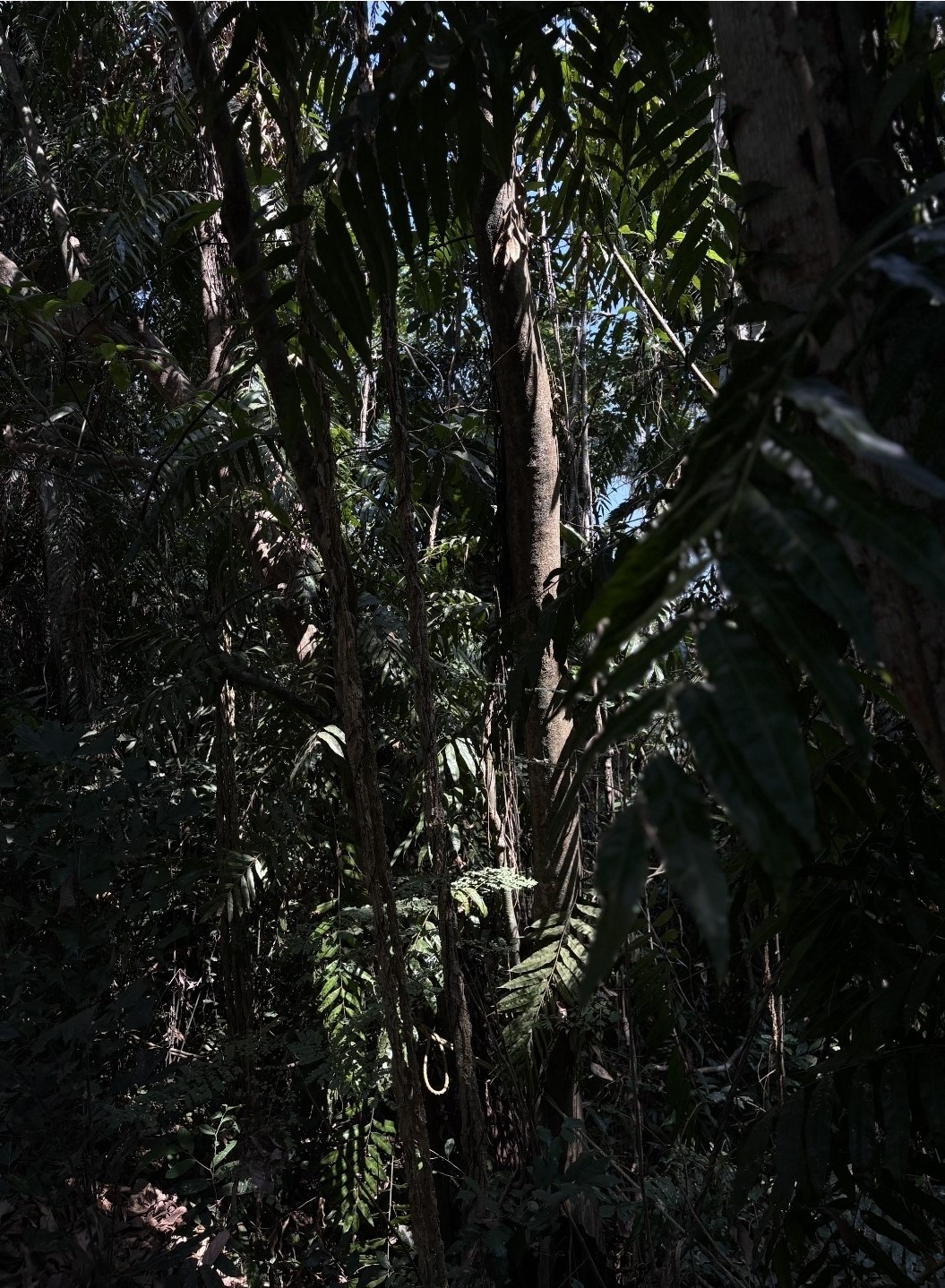
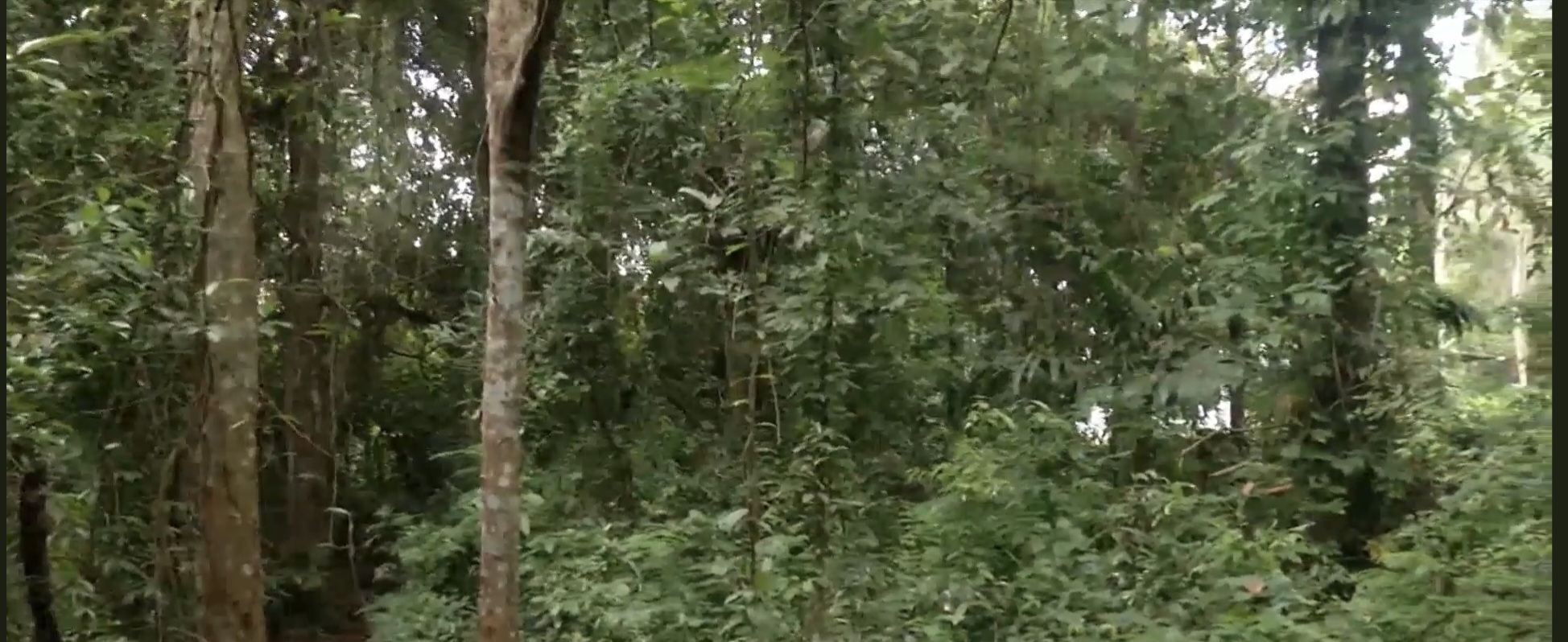
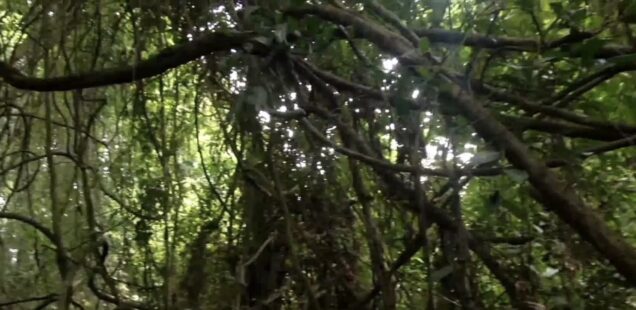
Kerala’s sacred groves (kavu or sarpa kavu) are among India’s oldest community-conserved areas. Protected for generations through cultural traditions, customary practices and reverence for nature, these small patches of native vegetation have survived as islands of biodiversity within increasingly fragmented landscapes. Sacred groves provide habitats for native plants and animals, protect water and soil, and preserve ecological knowledge, cultural memory and traditional stewardship practices. Yet, many sacred groves face increasing pressures from fragmentation, changing land use, declining community reverence and the gradual erosion of traditional custodianship. While governments at all levels tend to focus their attention on large protected areas, the small community-managed sacred groves remain largely overlooked despite their ecological and cultural importance. This understanding is at the root of this initiative, which seeks to strengthen the people who have cared for sacred groves for generations.
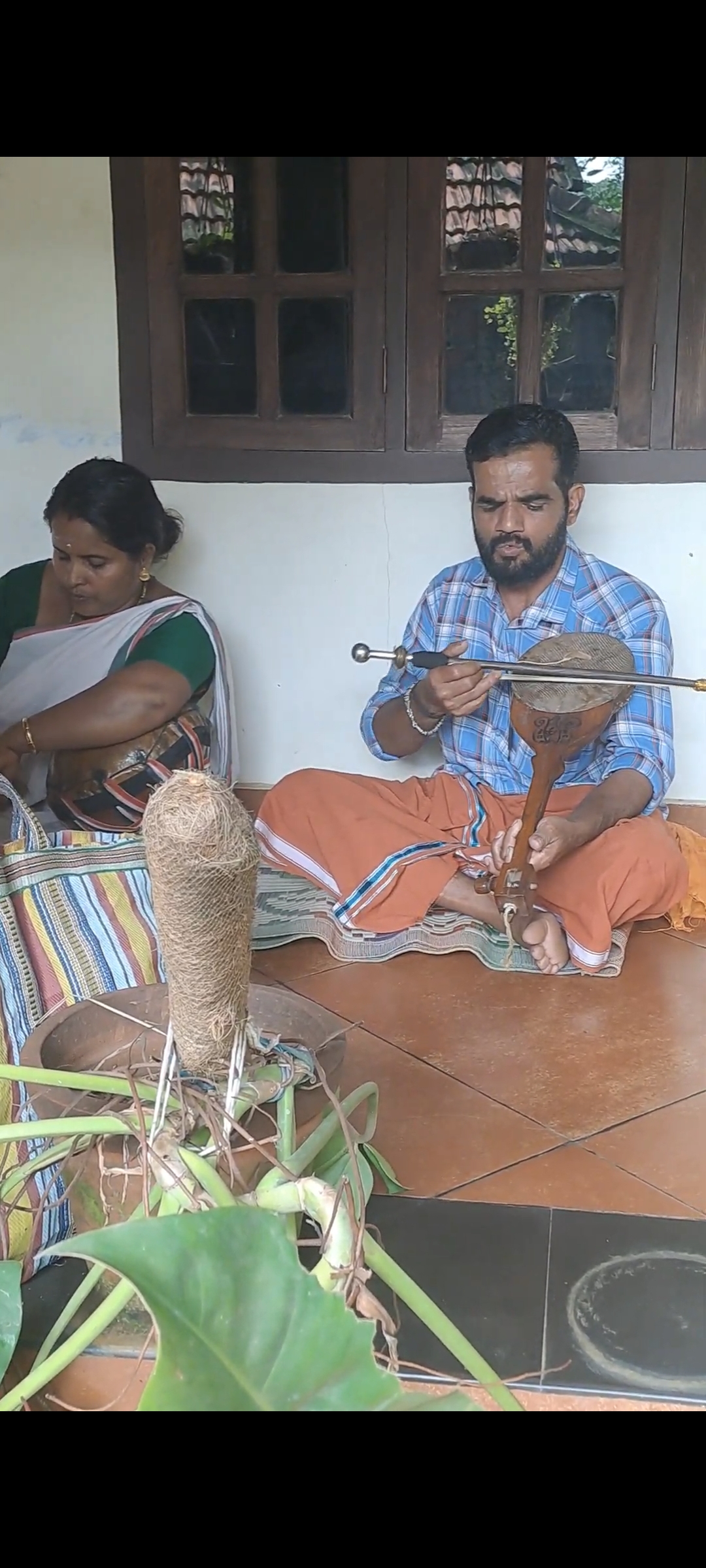
Over two years, a dedicated local social-ecologist will spearhead a network of custodians from approximately 10–12 sacred groves from different parts of Kerala. The network — based on dialogue, mutual support and shared stewardship– will include students, ecologists, researchers, ritual practitioners and concerned members of the relevant communities, creating opportunities for exchanges among different knowledge systems and ecologies. Via field visits, interviews and community meetings, the network will document the ecological, cultural and historical significance of the sacred groves. For each of them, a written and photographic profile will be collected, describing history, biodiversity, cultural traditions, stewardship practices and present-day challenges. Establishing local ‘custodian teams’ will be encouraged and supported, bringing together elders, younger family members, students and community volunteers to strengthen the long-term care of each grove. Importantly, even very small sacred groves will be highlighted and supported, recognising that small community-protected groves can retain meaningful ecological and cultural value and function as micro-refugia within fragmented landscapes.
By documenting ecological characteristics, encouraging appropriate stewardship practices and sharing experiences among custodians, the initiative will develop a practical, low-cost model that other non-participating communities will be able to adapt and use in their situation. The local social-ecologist in charge of the initiative will endeavour to build bridges between traditional ecological knowledge and contemporary ecological science. For instance, while traditional sacred grove custodians possess generations of observation and lived experience, the young ecologists can contribute modern instruments and methods to understand biodiversity and ecosystem processes. Rather than treating any one form of knowledge as superior to the other, a respectful dialogue will be promoted to inform and guide conservation in practice. The students and young volunteers will play an active role by participating in biodiversity observations, oral history documentation, photography and community engagement. While learning directly from custodians and local communities they will hopefully be inspired as a new generation of conservation practitioners who understand the multiple ecological, cultural and social values of sacred natural sites.
The well-documented, functioning network across Kerala will foster the conservation of the micro-refugia for biodiversity but will also provide a learning environment about what kind of settings, relationships and activities strengthen both community solidarity and collective stewardship. Qualitative and quantitative indicators of community-solidarity will be identified and ‘measured’ while the custodian network will be supported to reflect upon their experience and lessons learned. They will also be helped to pull together a ‘sacred grove custodian toolkit’ –practical guidelines that could easily be adapted to the situations of other sacred grove custodians and communities. Beyond such tangible outcomes, the initiative will demonstrate that biodiversity conservation grows from relationships—between people and nature, between traditional ecological knowledge and scientific ecology, and among communities working together in a spirit of shared responsibility. In this way, the initiative will help to conserve sacred groves by strengthening the knowledge, care and collective action of their custodian communities.