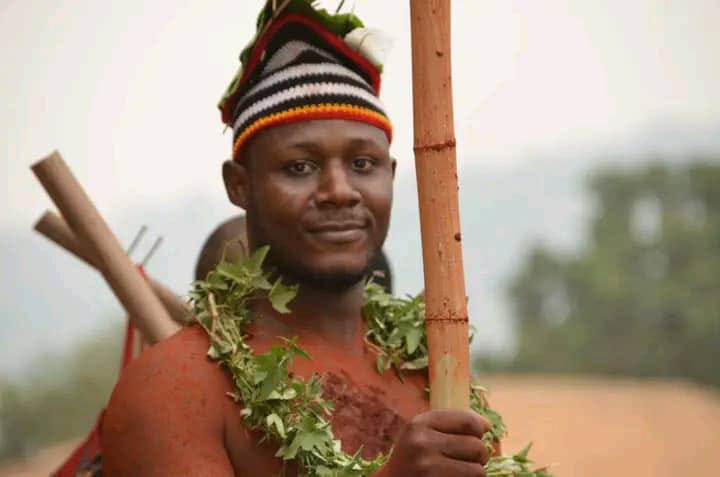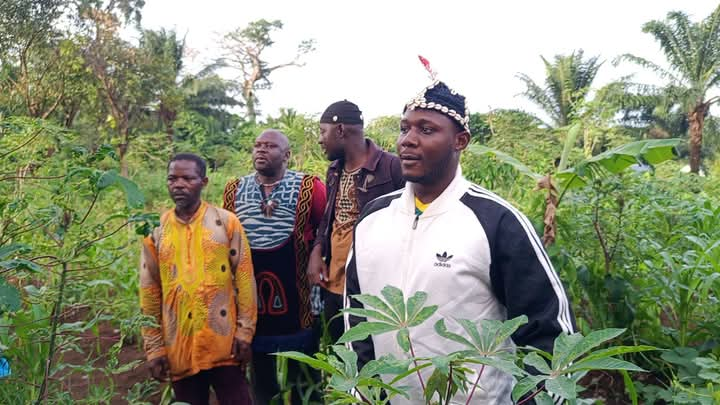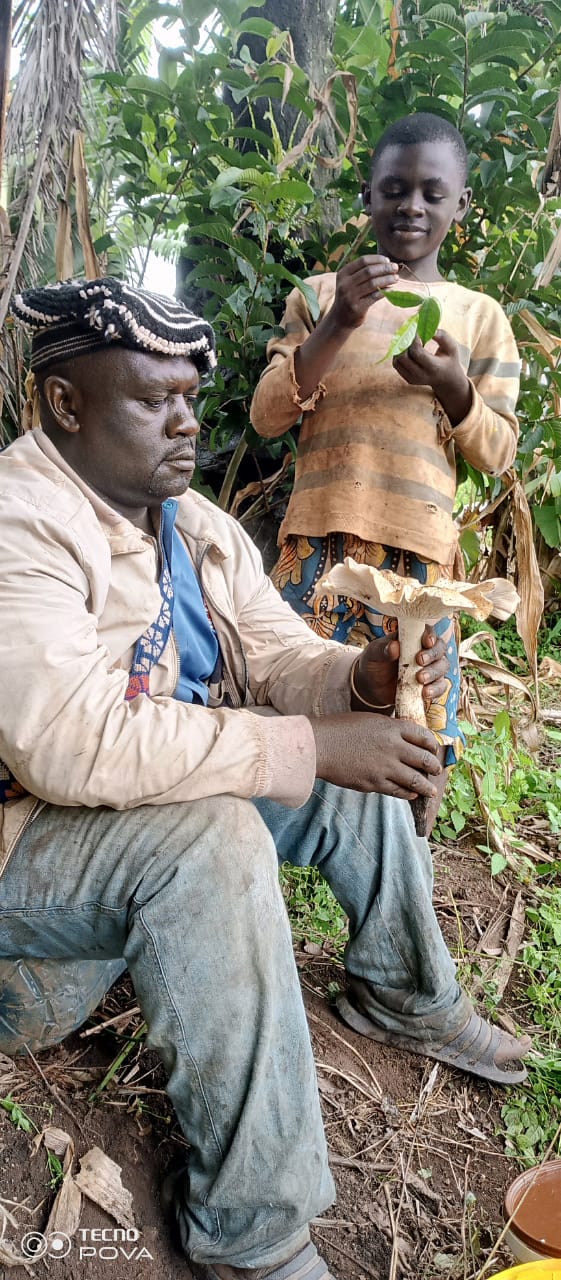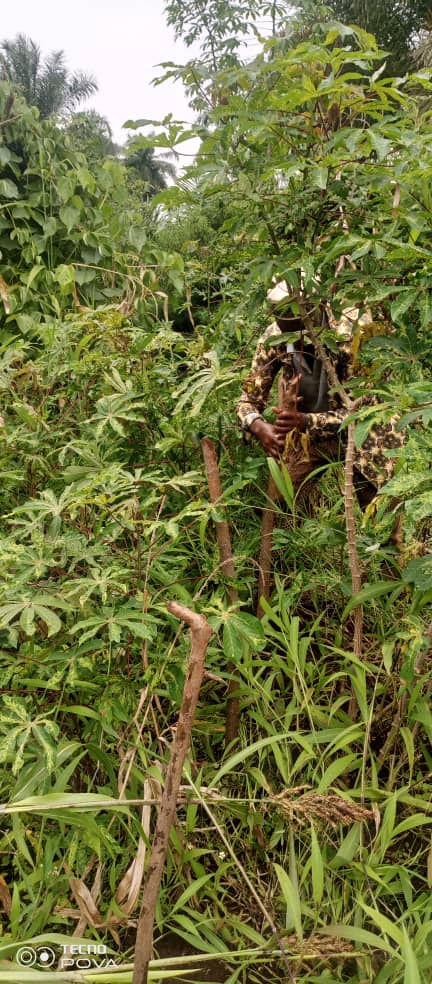
The youth from the Bandeng chiefdom strengthen their role as citizens and custodians of their ‘living sacred forests’ in Cameroon
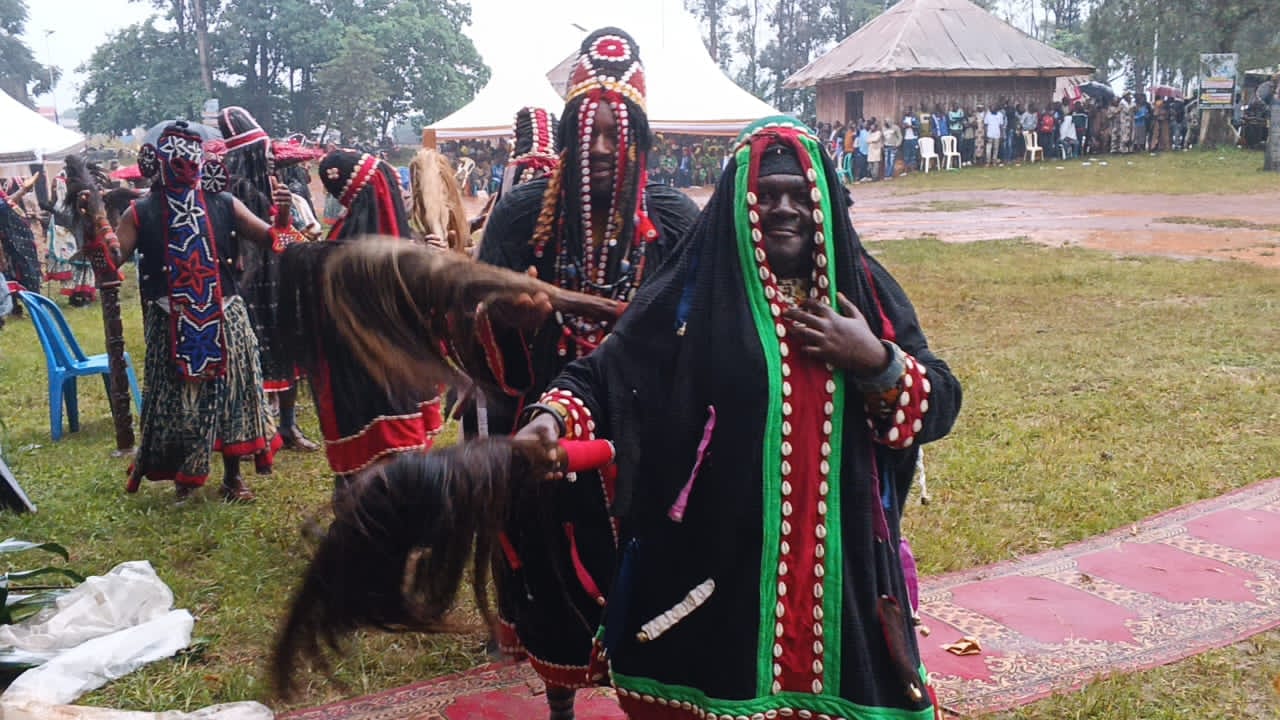
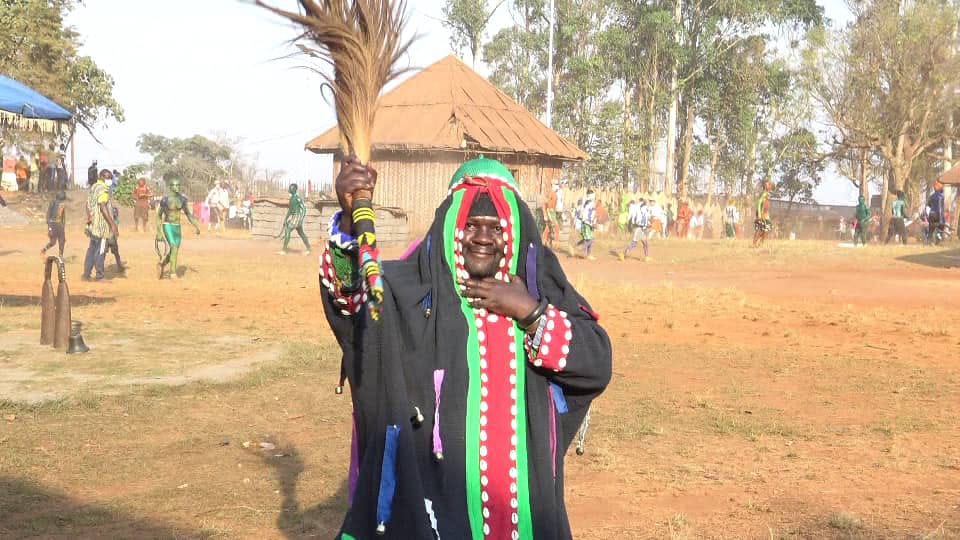
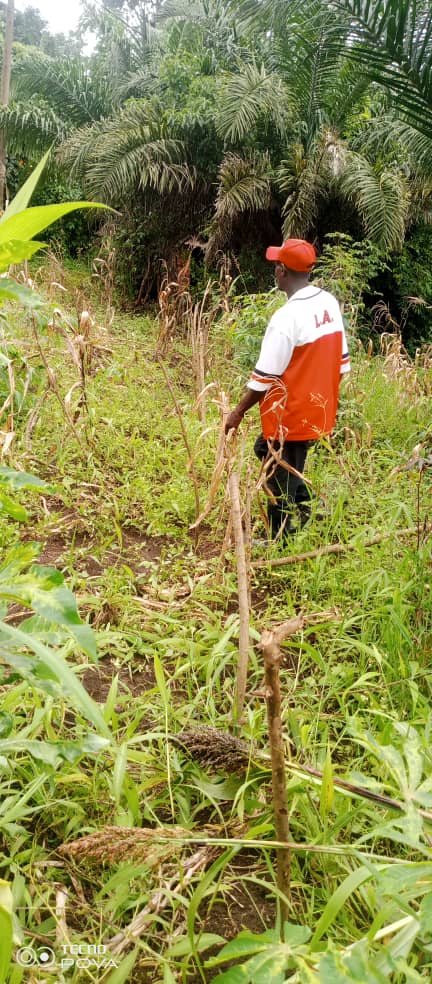
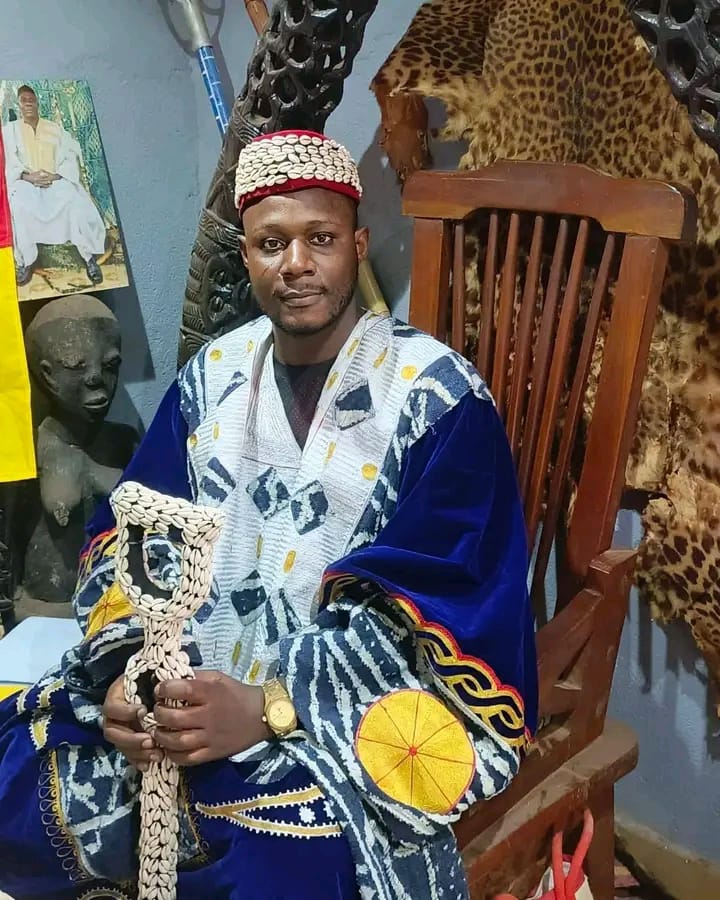
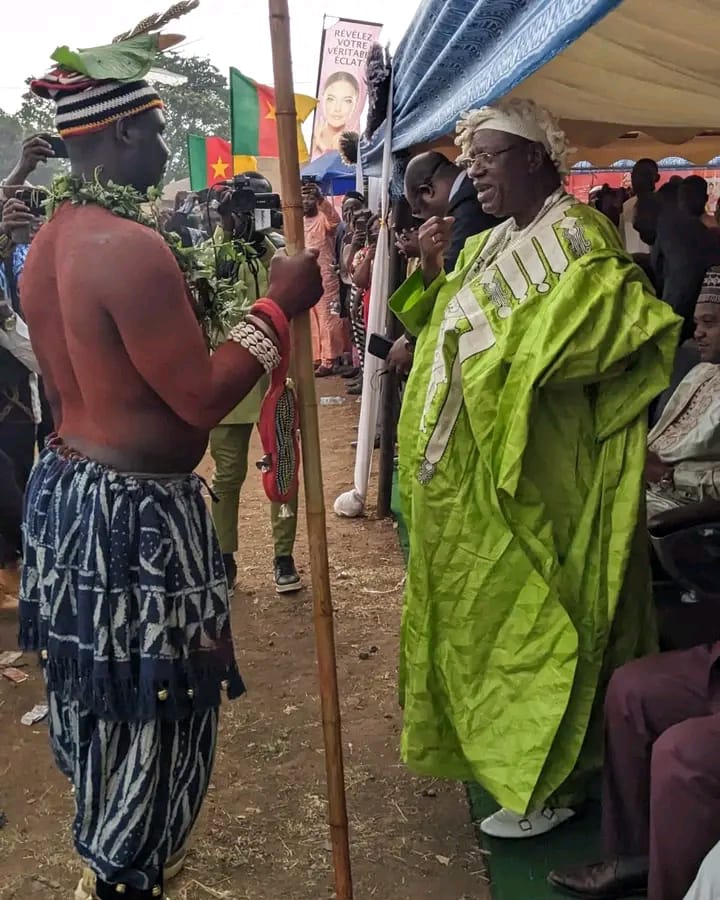
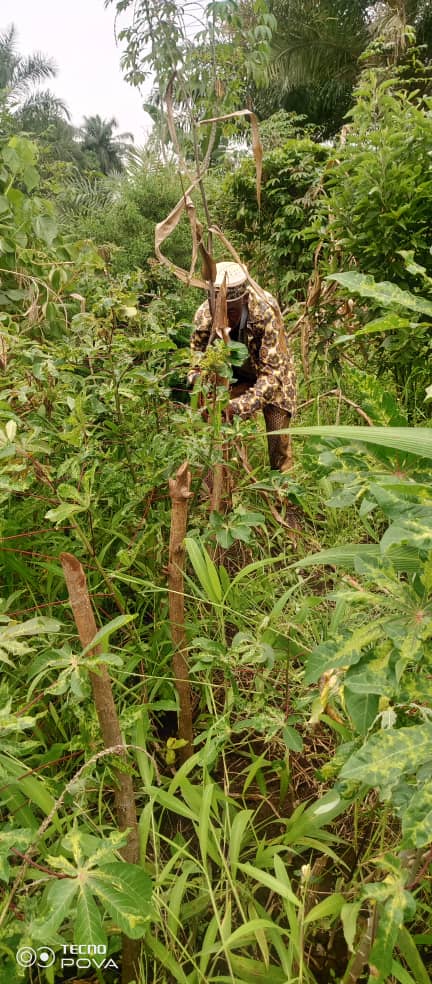
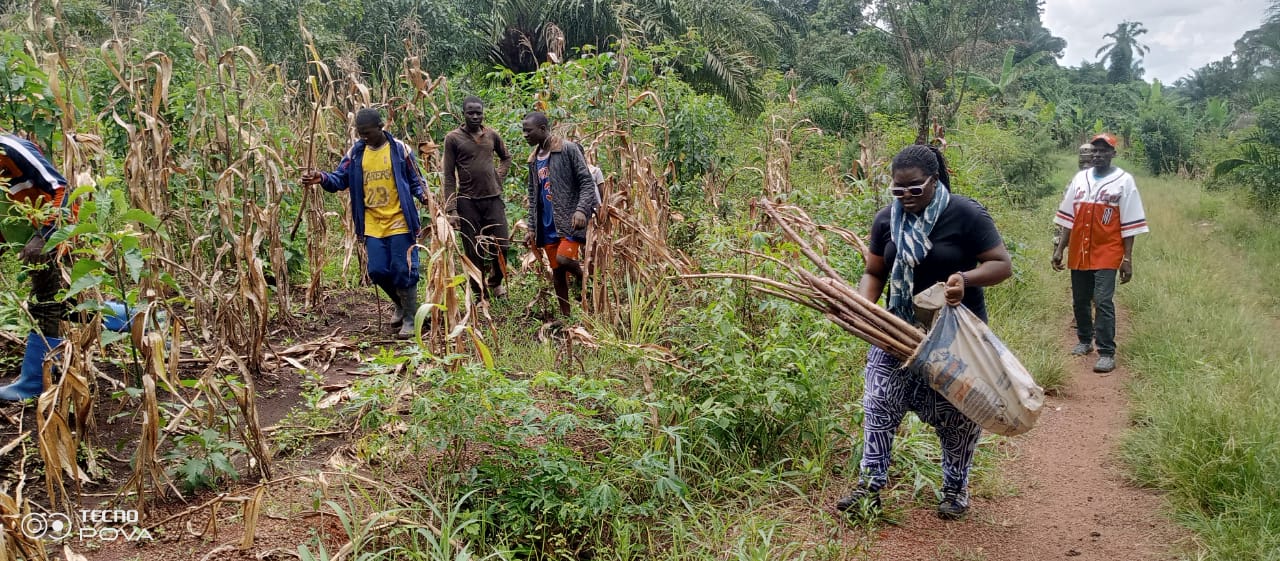
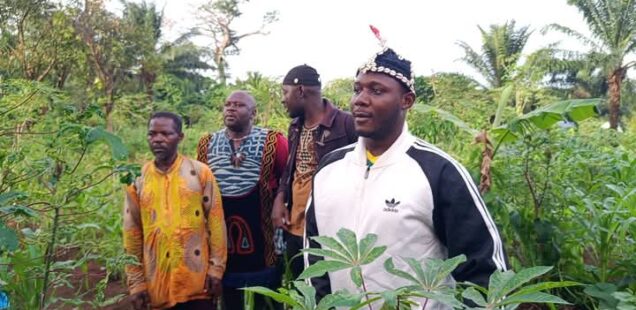
In Western Cameroon, the sacred forests of the Bandeng chiefdom are home to a rich biodiversity of plant and animal species, several water sources and extensive areas of raffia. These forests are not merely an ecological heritage, as they also encompass cultural sites, i.e., spaces of memory, spirituality and mutual support that form the basis of the local communities’ identity. For generations, the protection of these sacred forests has been able to count on the collective responsibility of local communities, underpinned by customary laws, traditional knowledge, and collective monitoring and care. Today, however, these same forests face numerous pressures, including the expansion of agricultural land, the unsustainable exploitation of biodiversity, the gradual loss of traditional knowledge, a decline in the engagement of the youth, and the effects of climate change. In response to these challenges, the ‘Living Sacred Forests’ initiative has been designed to strengthen the conservation of the unique natural and cultural heritage of the Bandeng people’s traditional territory. The initiative will pursue this aim by promoting traditional knowledge, strengthening social cohesion, consolidating community governance and fostering youth leadership.
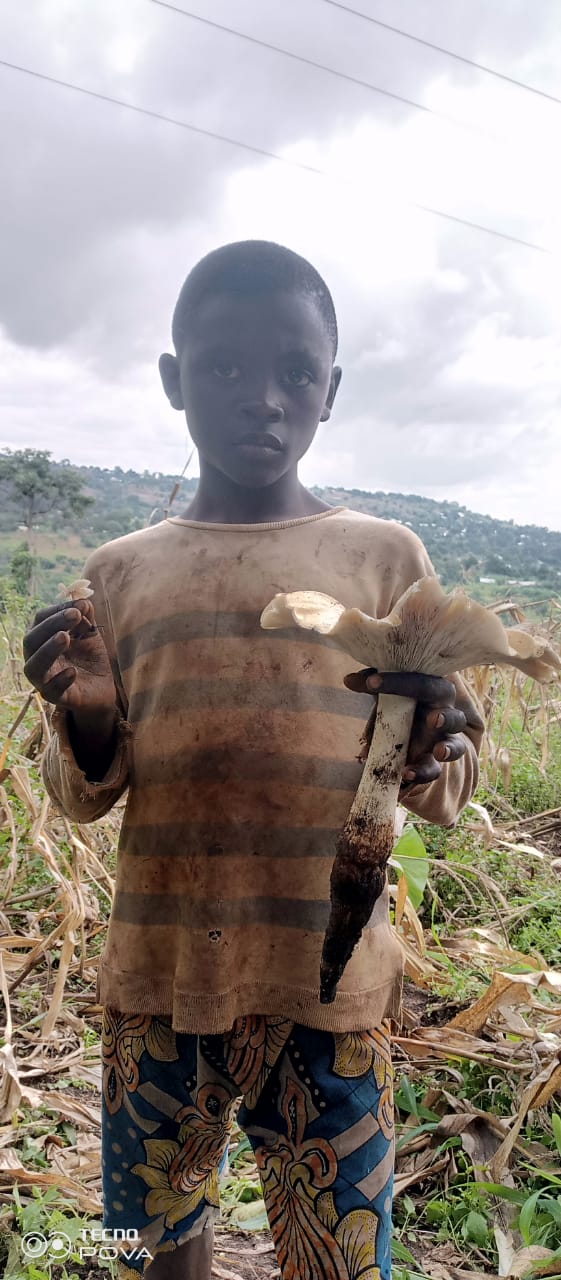
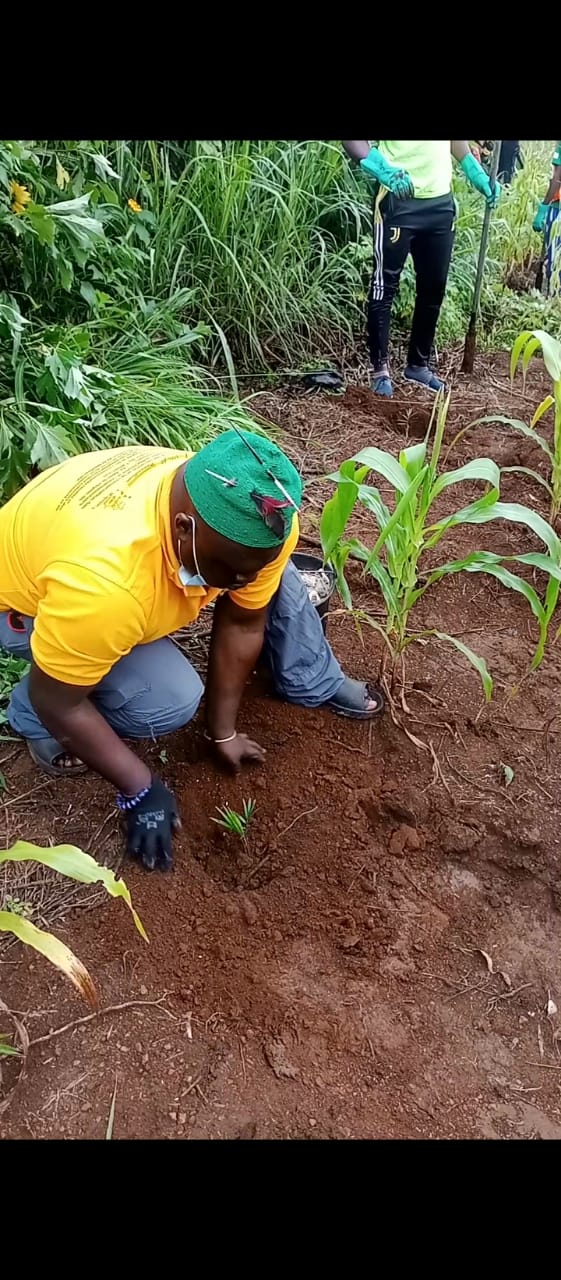
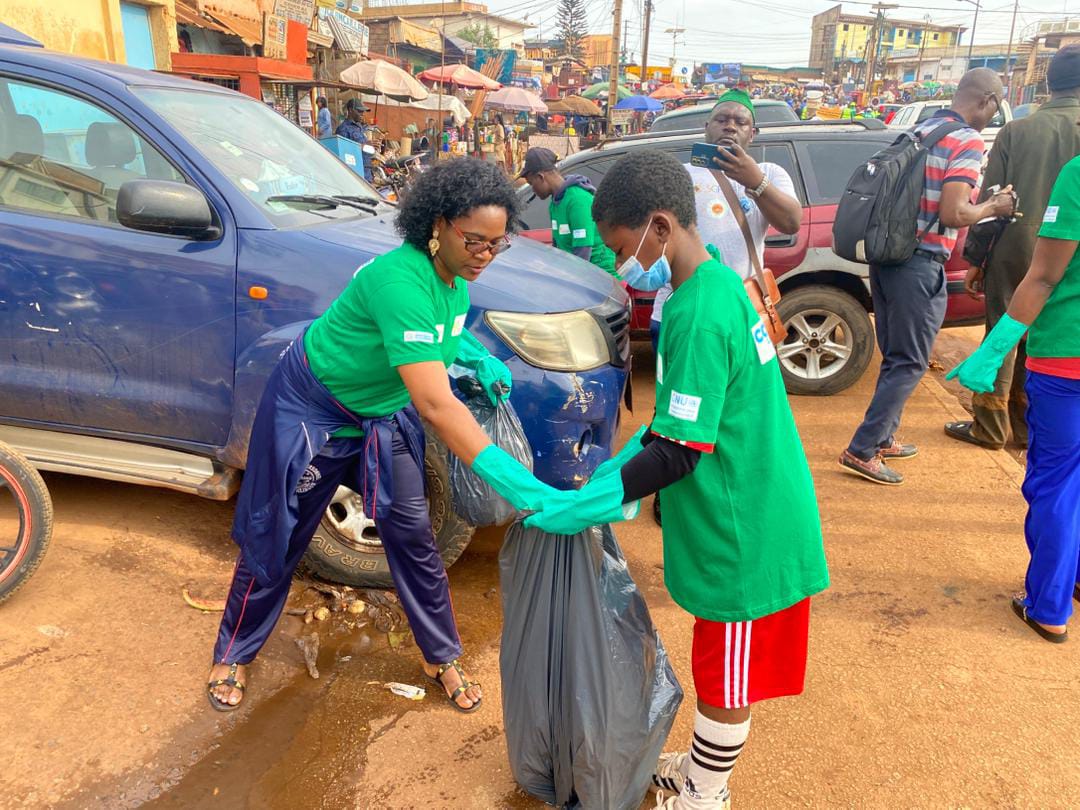
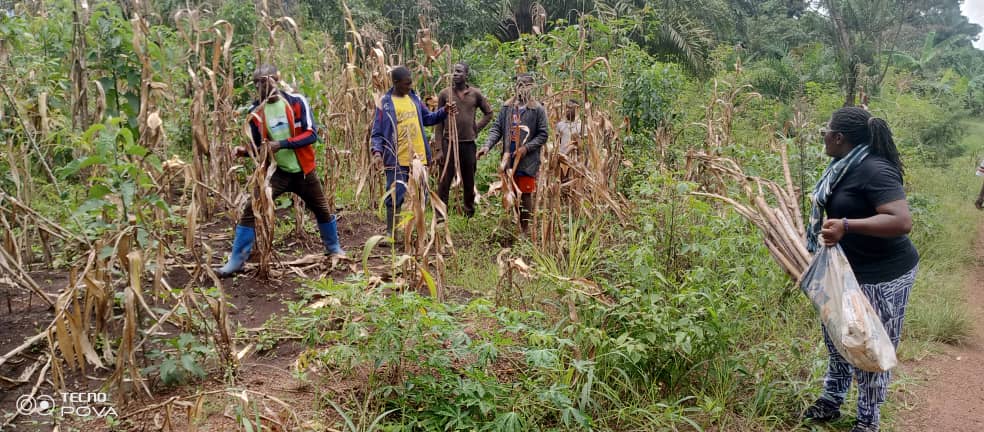
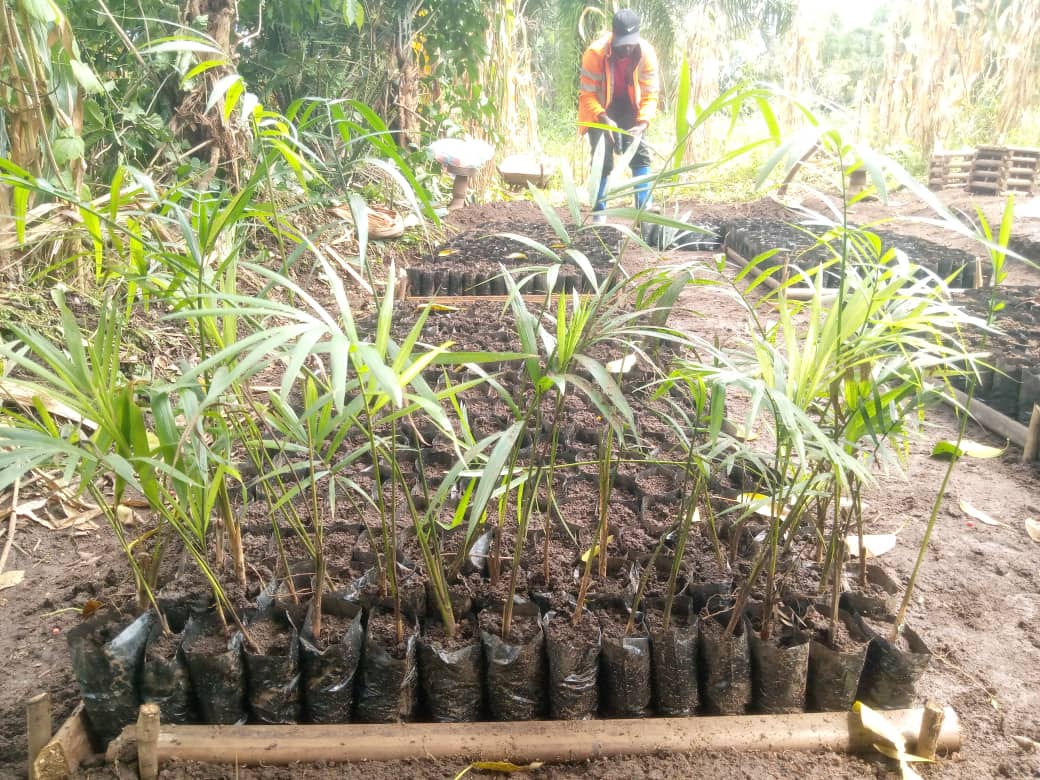
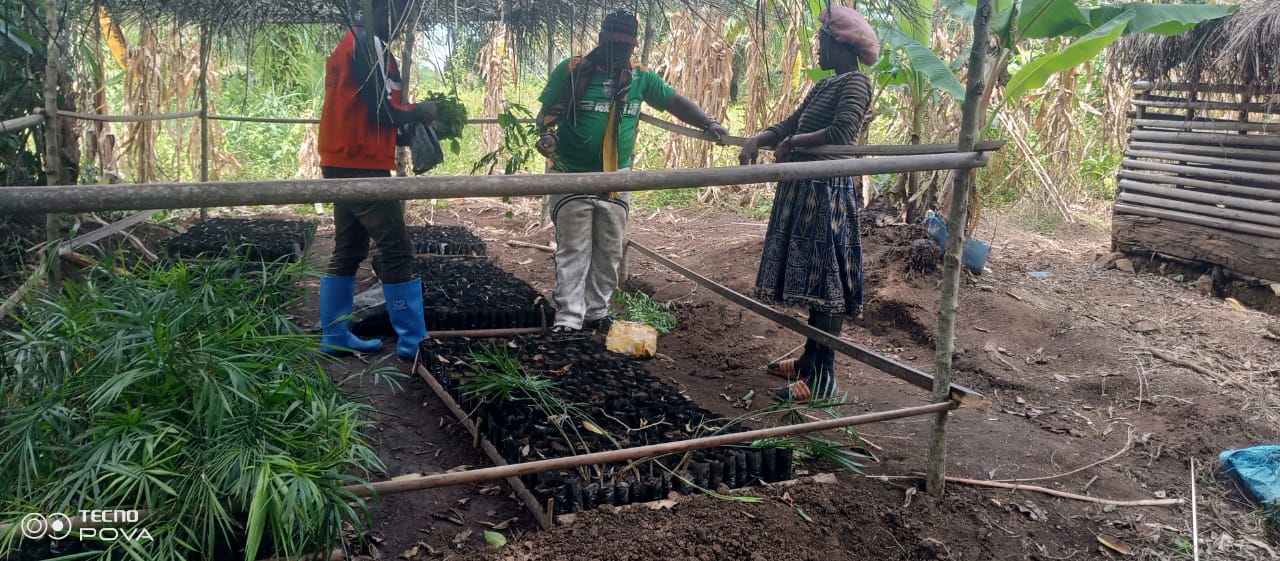
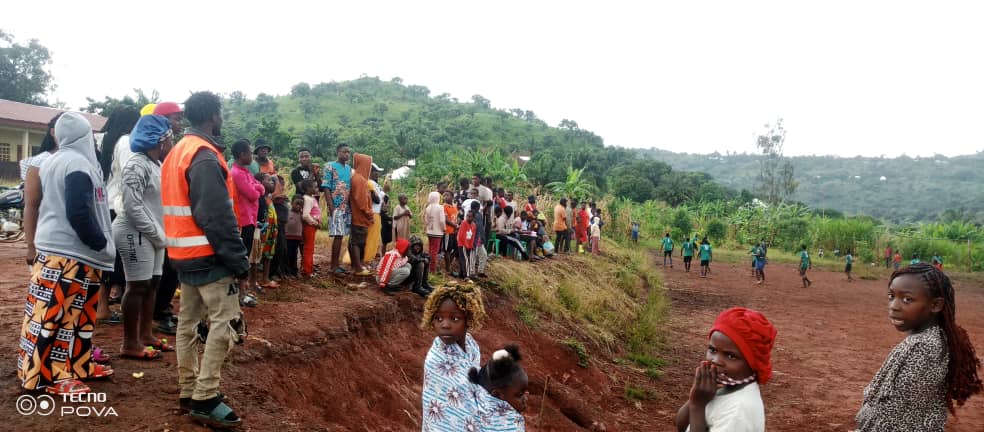
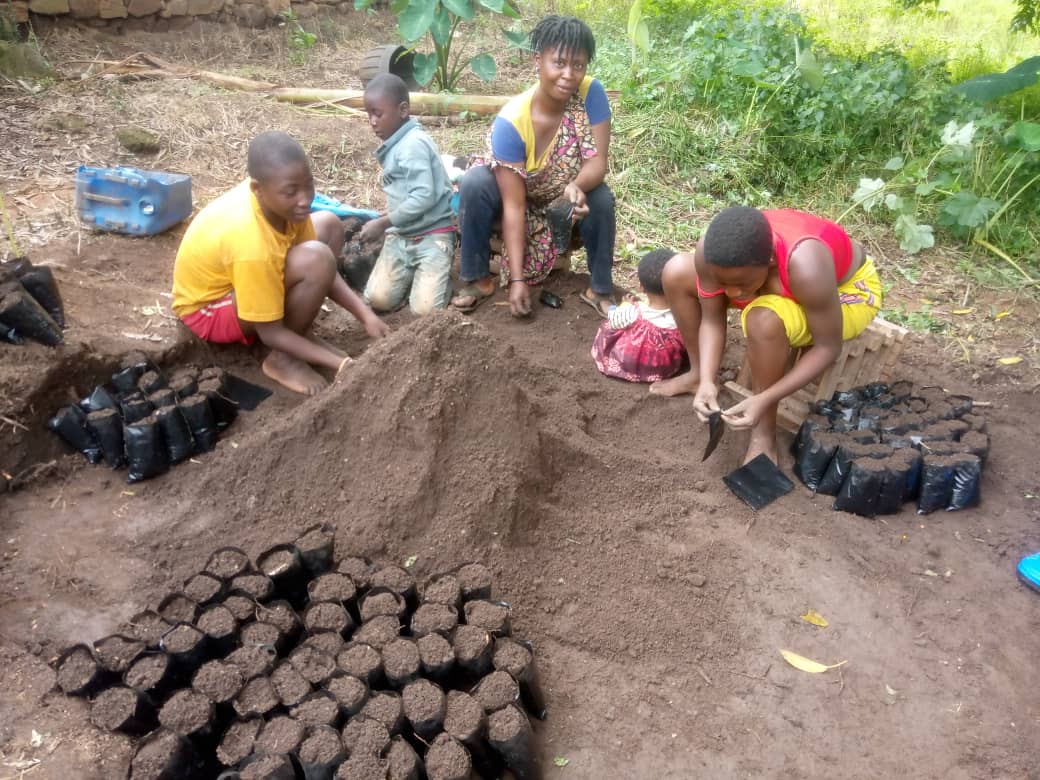
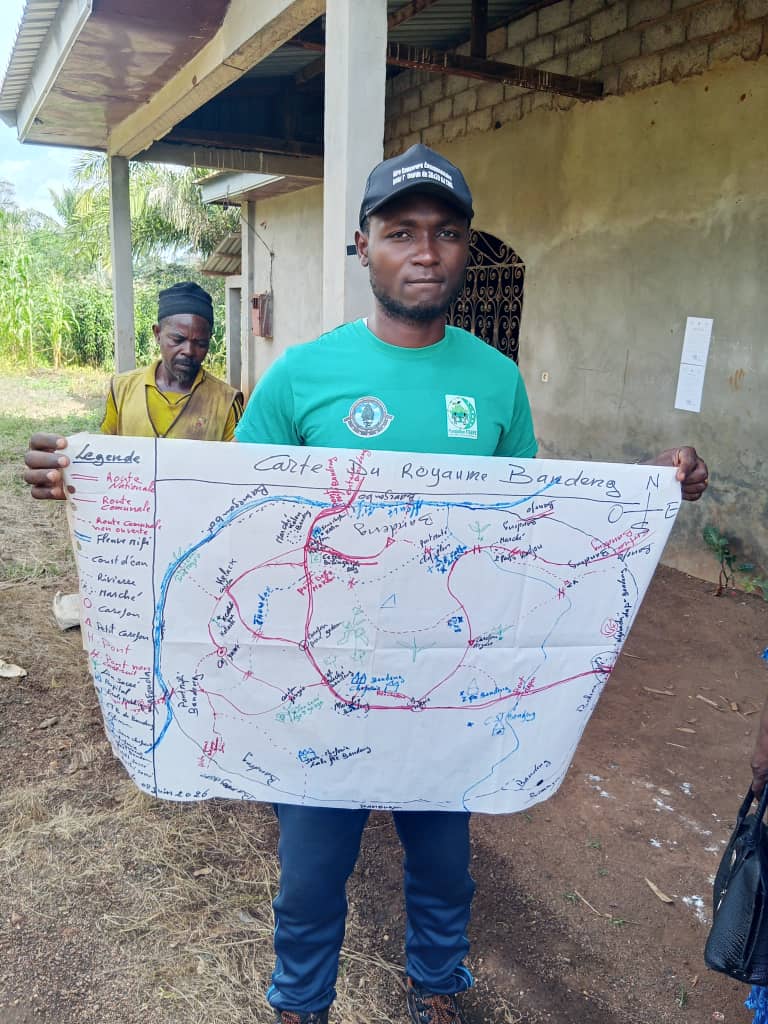
The initiative will begin with participatory mapping of the Bandeng territory of life, which will document the boundaries of the forests and the diverse sacred sites, raphia-growing areas, springs, natural habitats, as well as the customary rules governing their protection and use. Holders of traditional knowledge, customary authorities, women and young people will participate together in this documentation work, which will help to preserve local knowledge for future generations. The mapping exercise will, in fact, be coupled by the creation of several Clubs of the Young Custodians of the Sacred Forests—spaces where young people learn together, work together and gradually take on responsibilities for preserving their heritage. The clubs will enable young people to acquire knowledge about the history of their territory, as well as about biodiversity, cultural practices and the values of solidarity. By taking part in documentation, awareness-raising and ecological restoration activities, the young people will also develop a greater respect for the knowledge and skills upheld by previous generations, strengthen intergenerational trust and develop their own ‘team spirit’. It will be up to them to produce illustrated fact sheets on the sacred sites, including their history, the plant and animal species present, as well as the community rules governing access to and use of nature’s bounty, such as raffia.
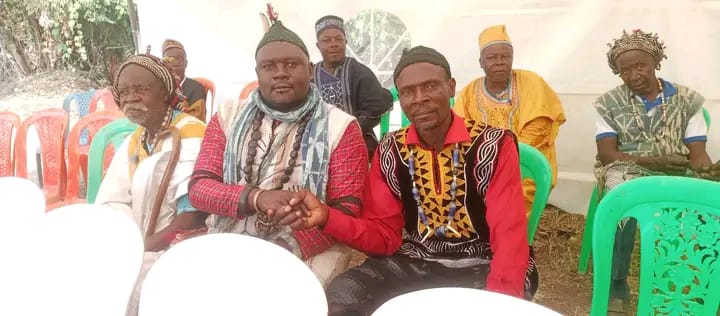
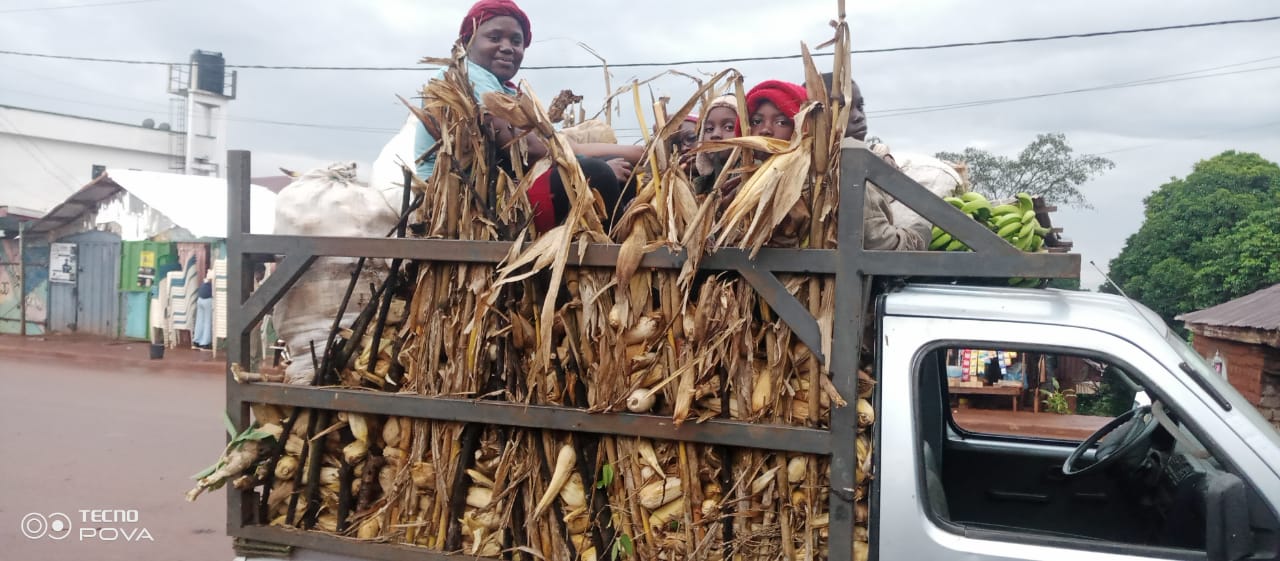
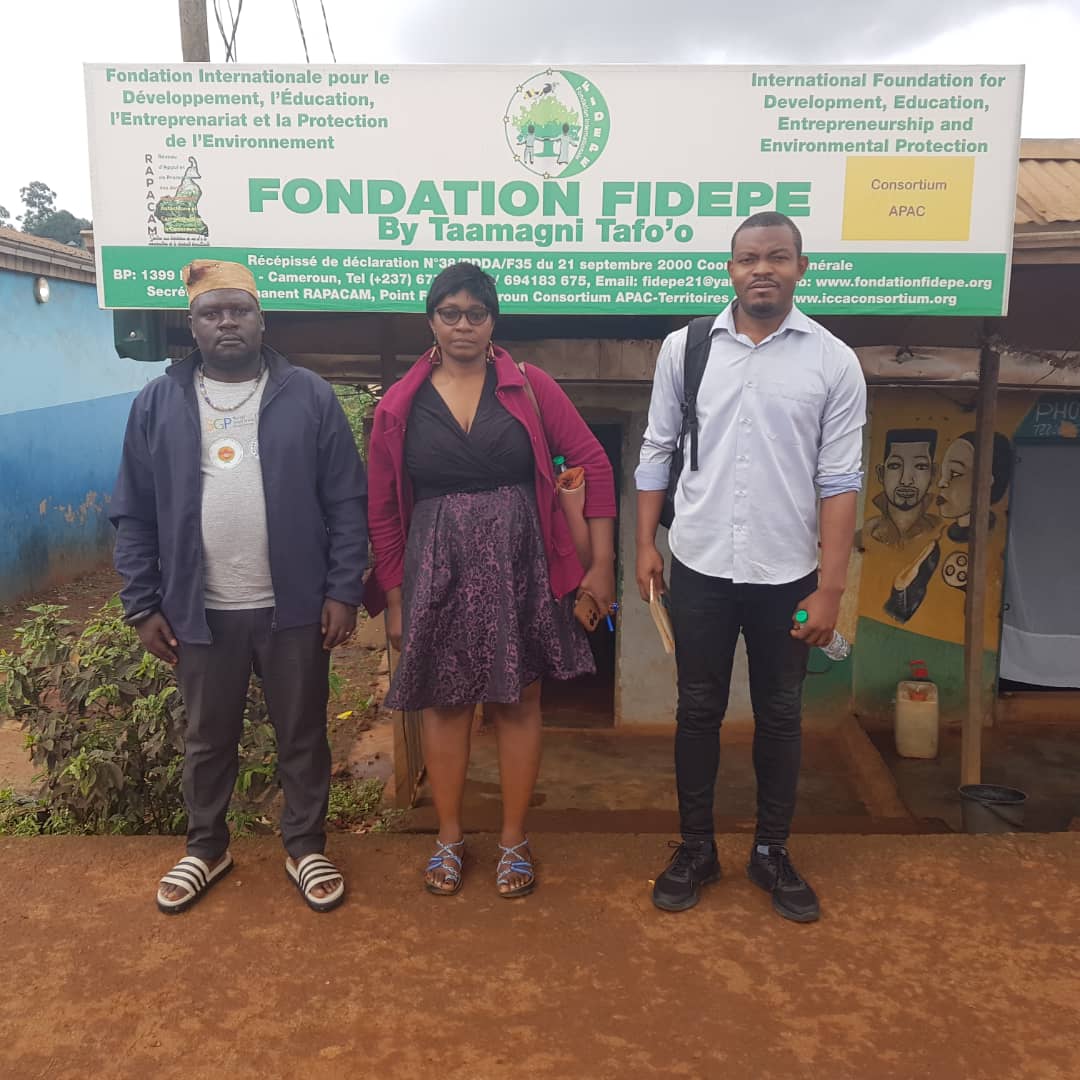
With the support of the local organisation FIDEPE, the initiative will foster dialogue and mutual appreciation between traditional authorities, women, other community members and young people. These exchanges will take place on a regular basis and will strengthen local governance rules, by providing a joint solution to current challenges about the sustainable use of natural resources and by promoting collective care for the territory of the Bandeng chiefdom. The initiative will also help to support the local economy through the creation of income-generating activities for young people. Community groups or cooperatives will be set up to identify and develop existing economic value chains. Young people will thus draw on the knowledge of the territory acquired through their community dialogues— for example, the fact that protecting sacred forests directly contributes to the preservation of biodiversity, water resources, medicinal plants, cultural practices and the livelihoods of local communities. They will also be encouraged to play an active role in the community governance of sacred forests and raffia-growing areas and to take on a share of the related collective responsibilities. In this way , the Youth Guardian Clubs aim to become genuine schools of community citizenship, helping to nurture a new generation capable of ensuring the continuity of cultural values, promoting social peace and strengthening the community’s resilience in the face of environmental and social challenges.
In the long term, the initiative is intended to strengthen bonds of solidarity within the Bandeng chiefdom whilst providing a model that can be replicated in other communities across Cameroon. Indeed, the conservation of biodiversity depends both on the preservation of traditional cultures and knowledge and on improving incomes for everyone, particularly young people. Young people must gradually become the custodians of their local communities whilst acting as key players in their own development. This is entirely possible if they are able to understand, live by and pass on the values of solidarity, responsibility and respect for the natural and cultural heritage of their communities.