A ‘Living Laboratory’ of agroforestry and solidarity: a women group explores new sustainable livelihood options in Timor-Leste
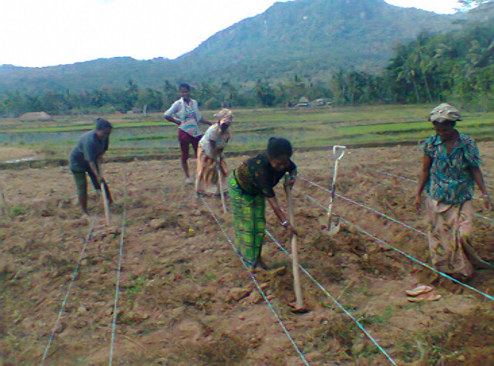
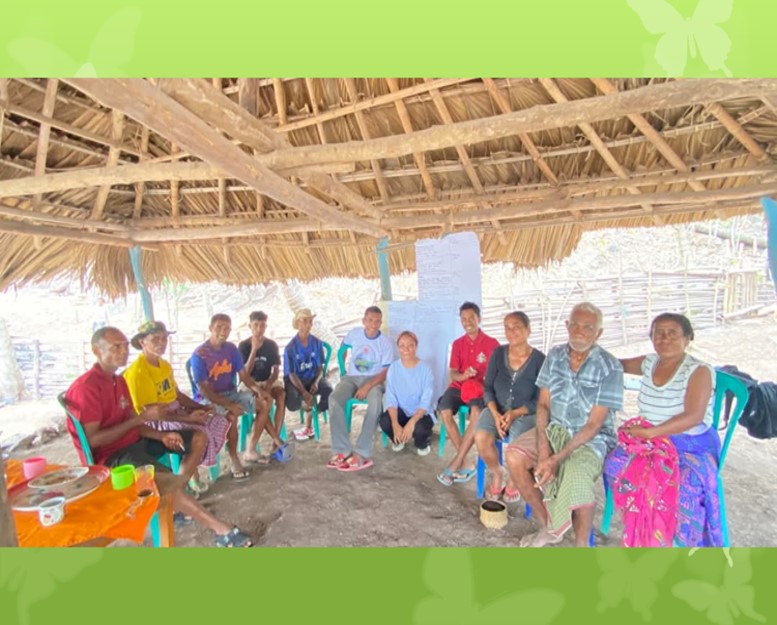
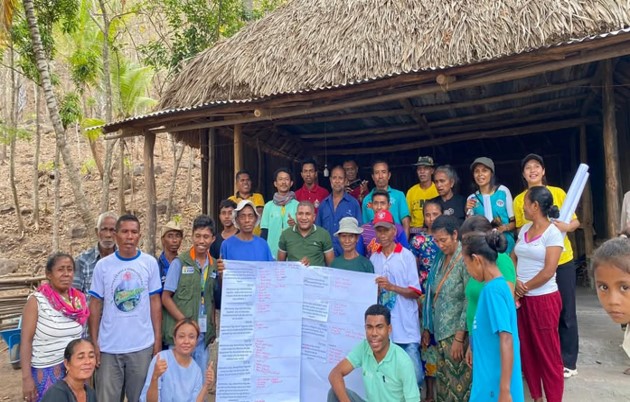
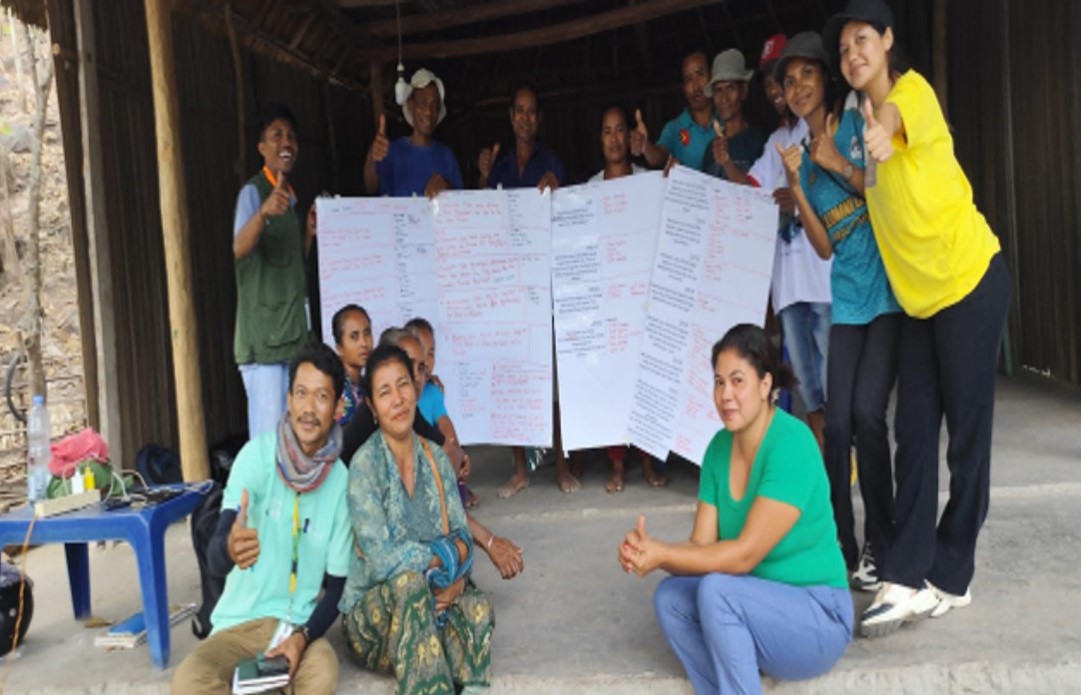
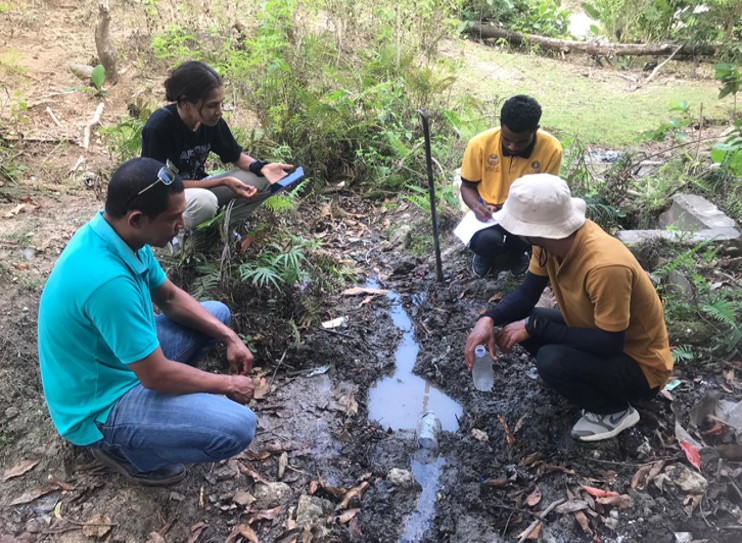
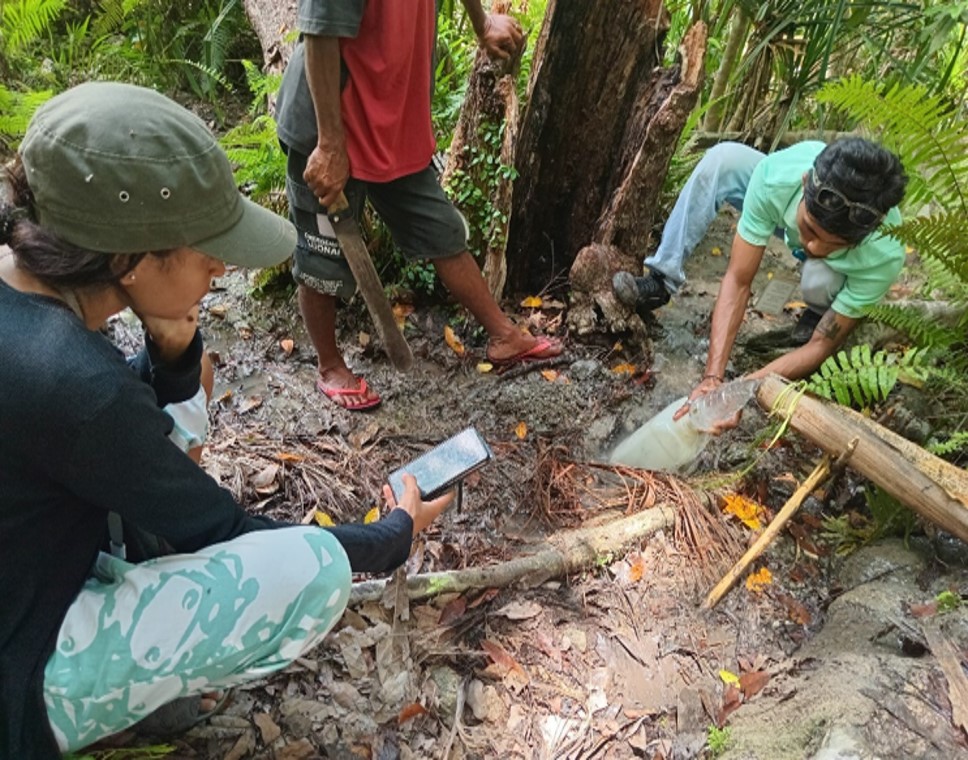
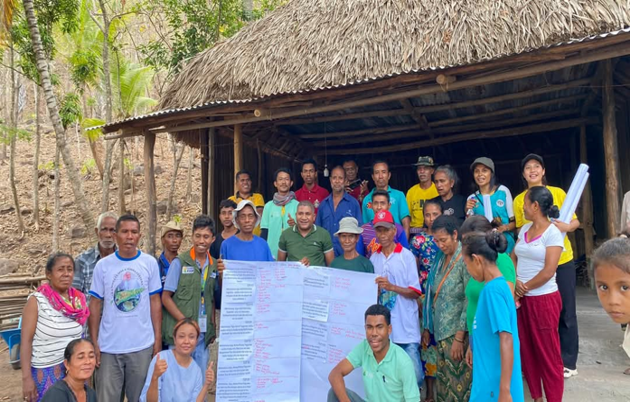
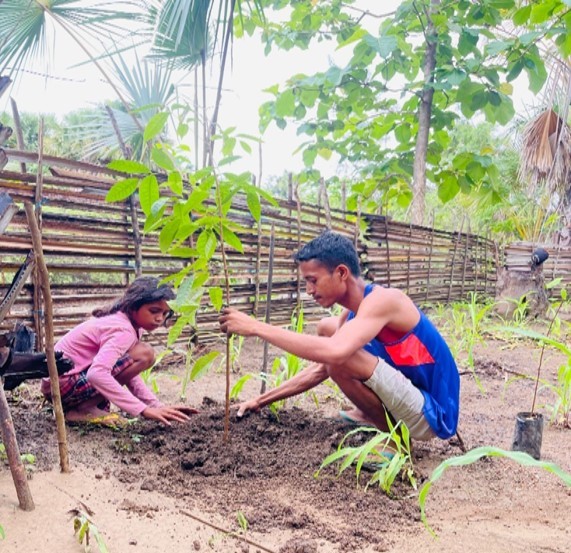
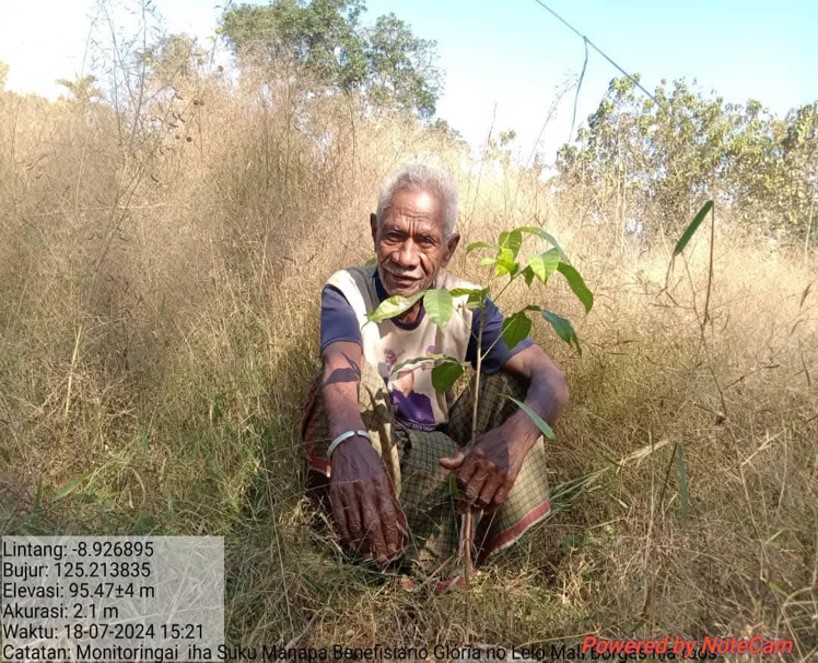
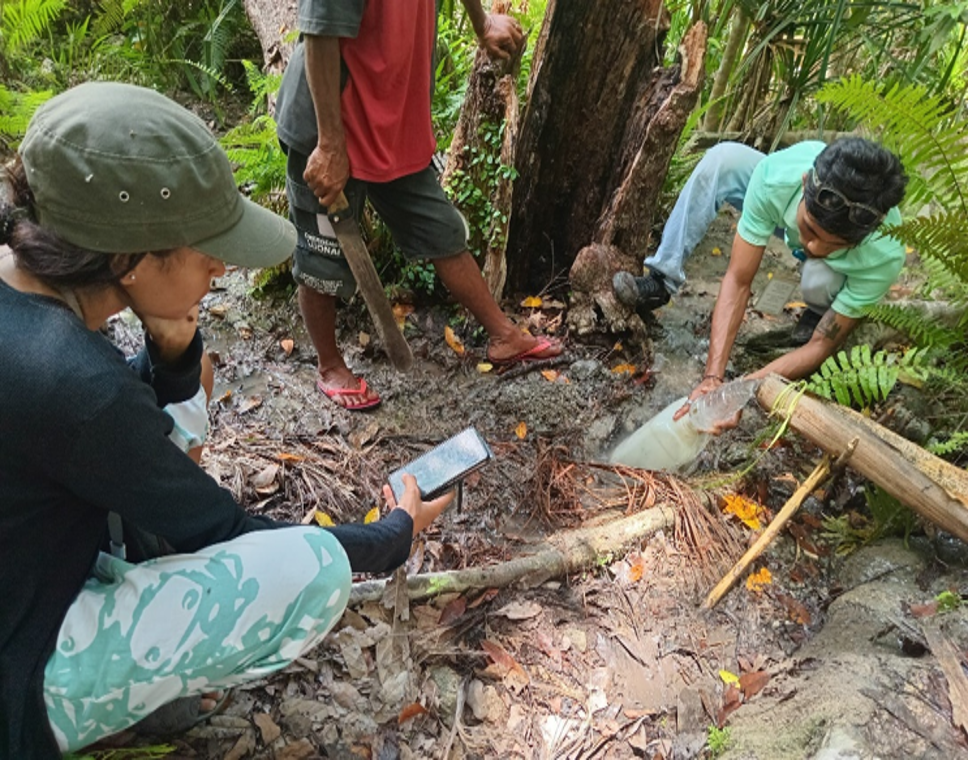
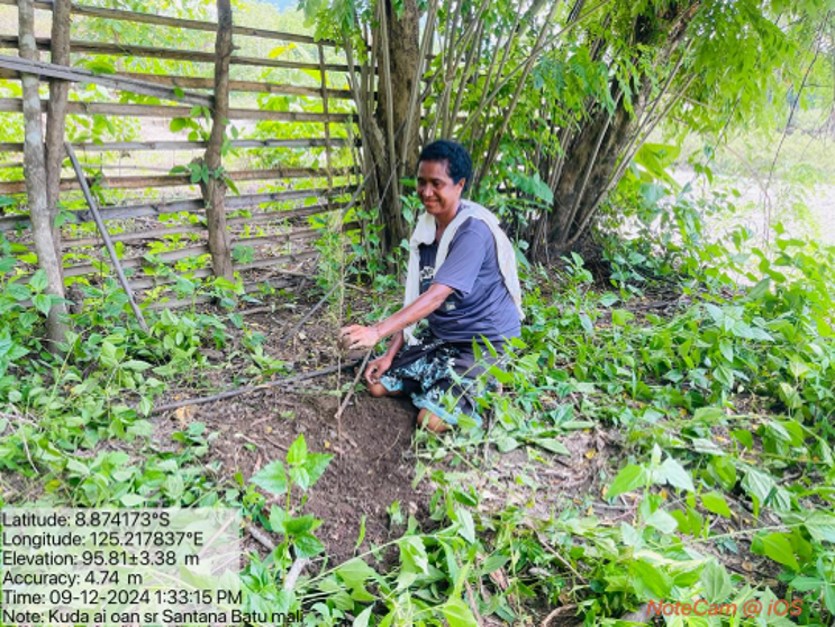
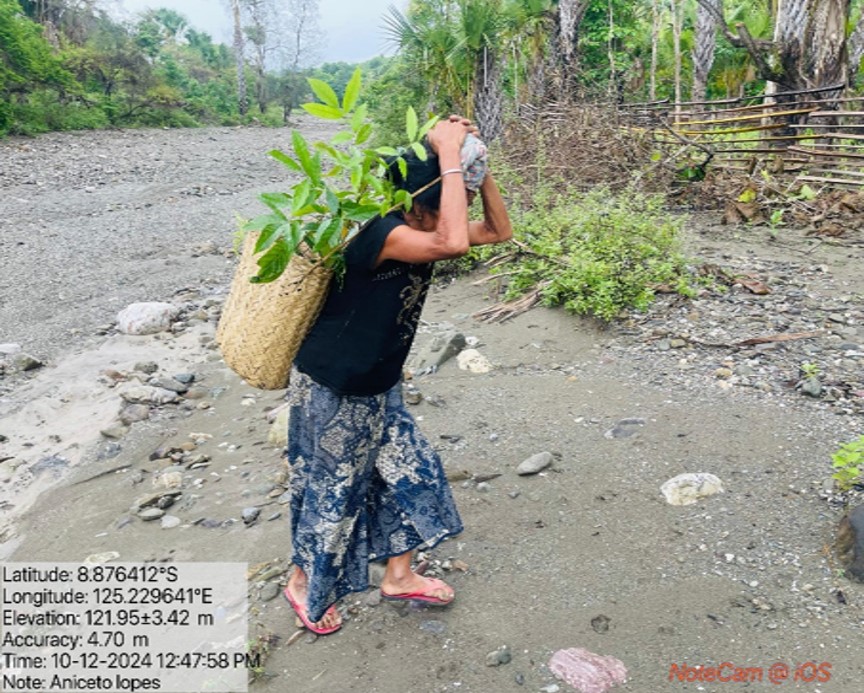
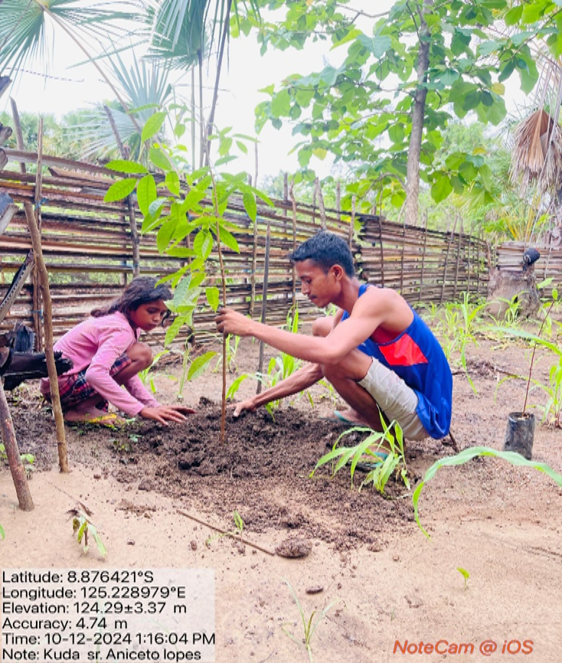
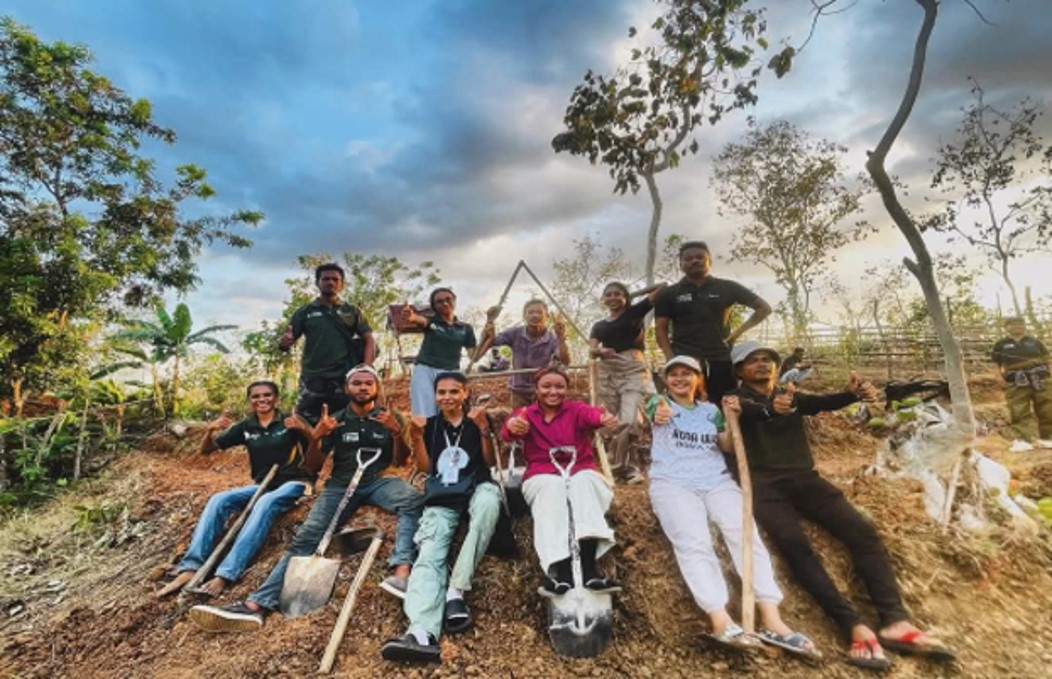
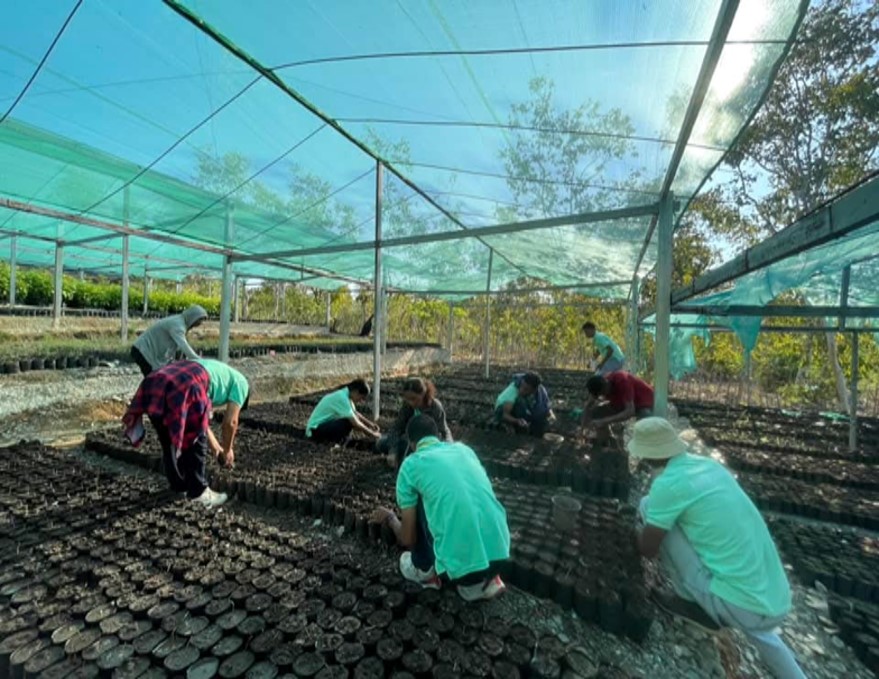
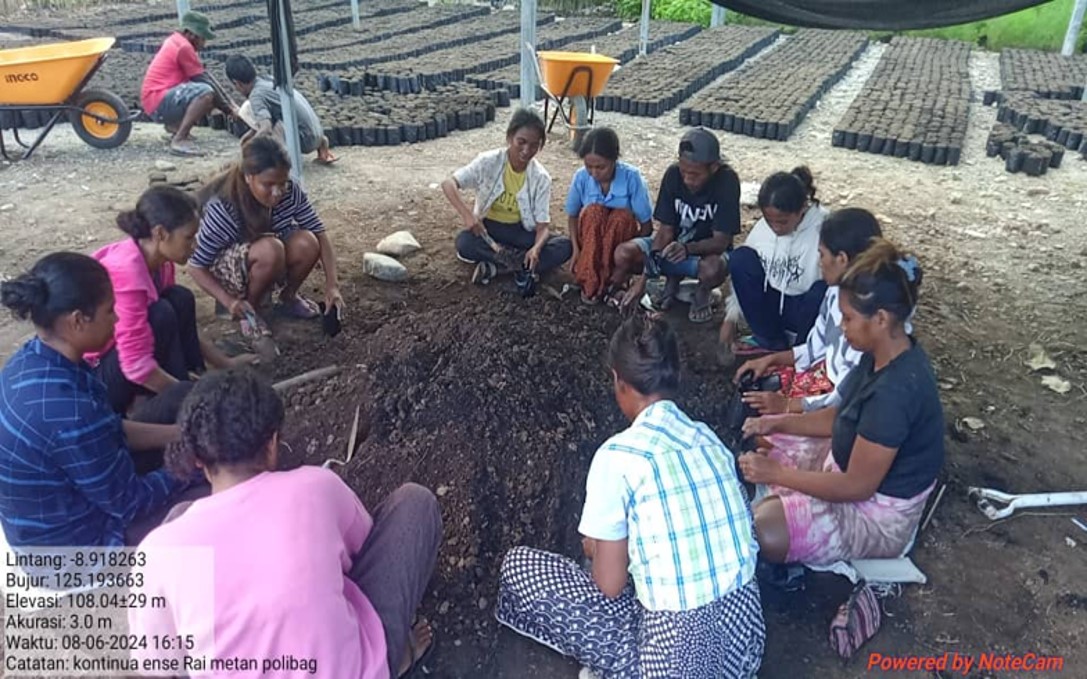
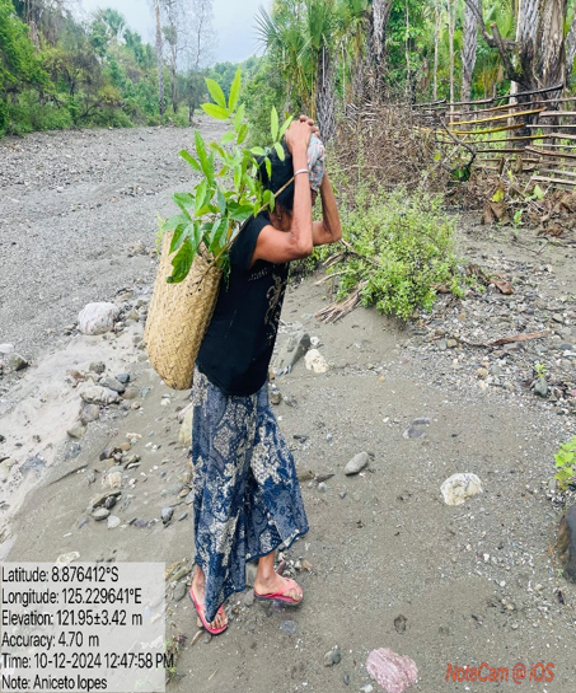
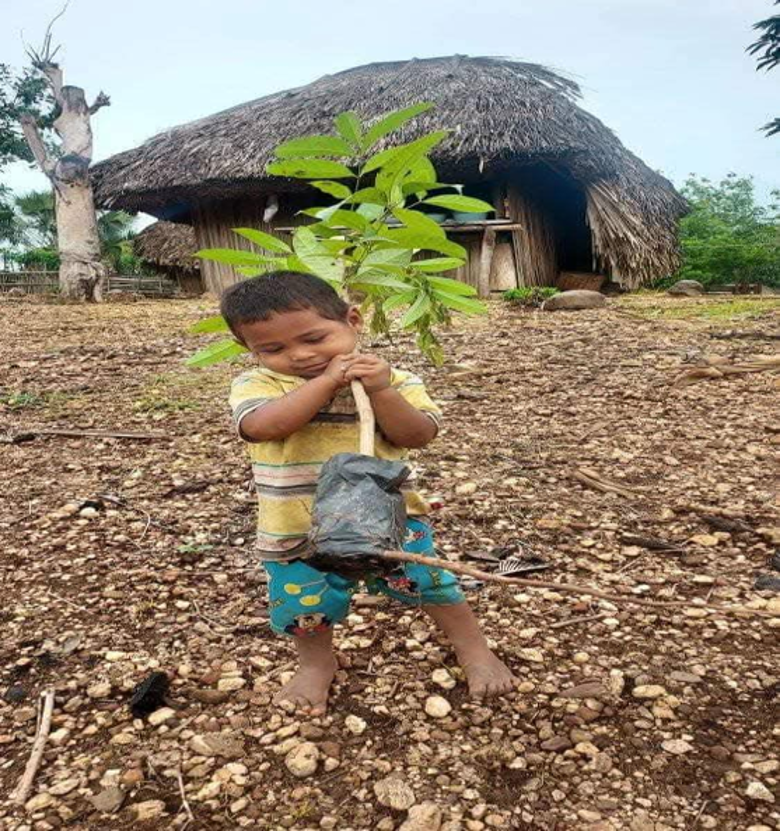
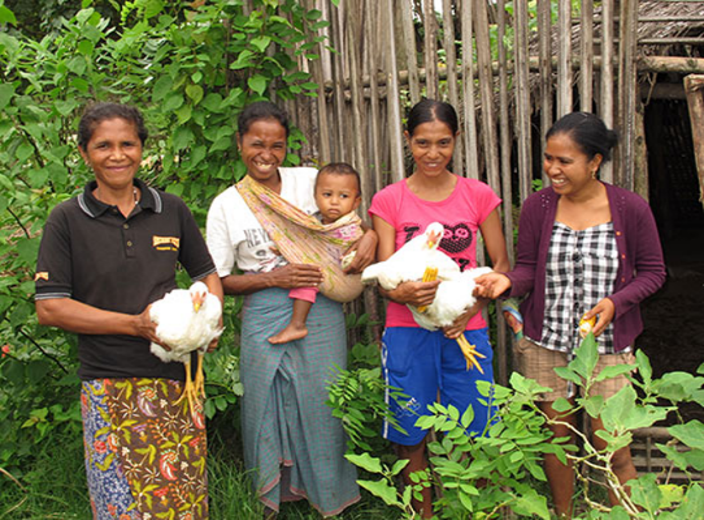
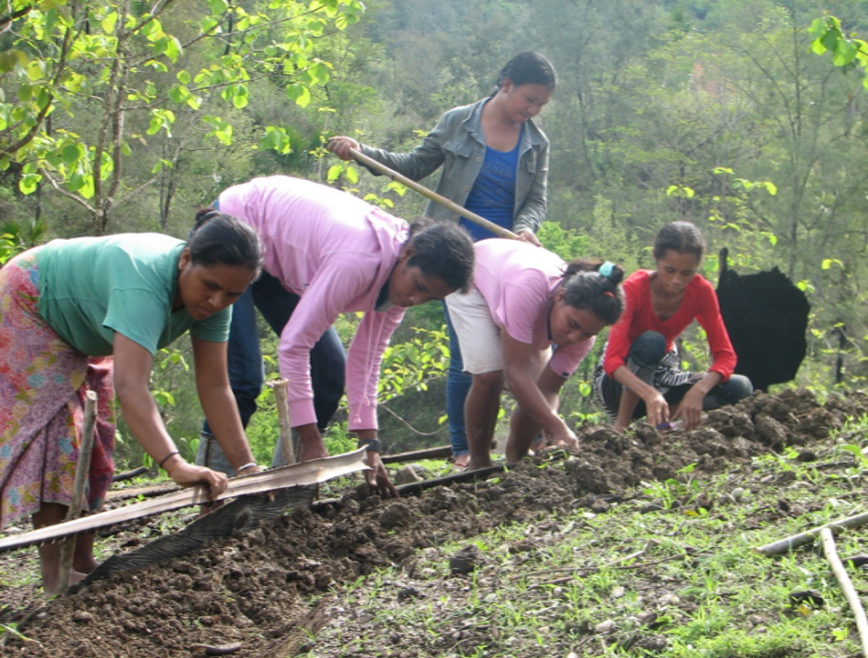
Haburas Moris (‘developing life’), a local NGO in the Bobonaro District of East Timor, will accompany 20 rural women to organize and strengthen themselves as a solidarity group, to build upon their own traditional knowledge and cultural practices, and to experiment with, and practically develop, new individual and collective initiatives for sustainable livelihoods. The women are expected to secure long-term, collectively access to a plot of 0.5 hectare of land, following one of the diverse options legally feasible in Timon Leste, which will be researched, explained, and eventually facilitated by Haburas Moris. The land is expected to become a ‘Living Laboratory’ for agroforestry (wanatani), where the women will collectively decide, practice and experiment with combinations of trees, food crops, native and other plant species, beekeeping, soil and water conservation, etc. The women will set up, experiment, observe, evaluate and decide together which practices are appropriate for their own context. For instance, they will be able to check what food crops grow best under what conditions of soil, humidity and shade, how much labour is needed for specific plants, what fruits and seeds sell well in local markets, etc. Interestingly, the Living Laboratory will allow the women also to start beekeeping for honey and beeswax, manufacture votive candles, find selling outlets in churches, etc.
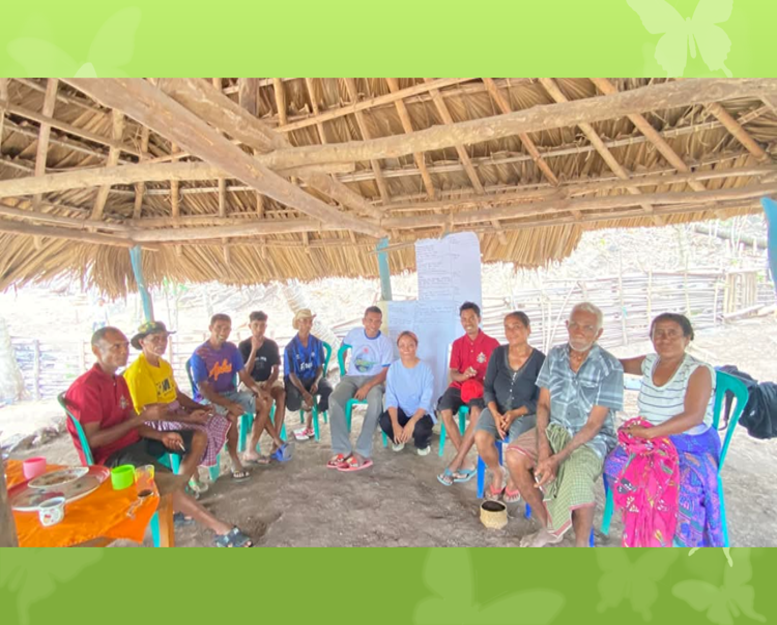
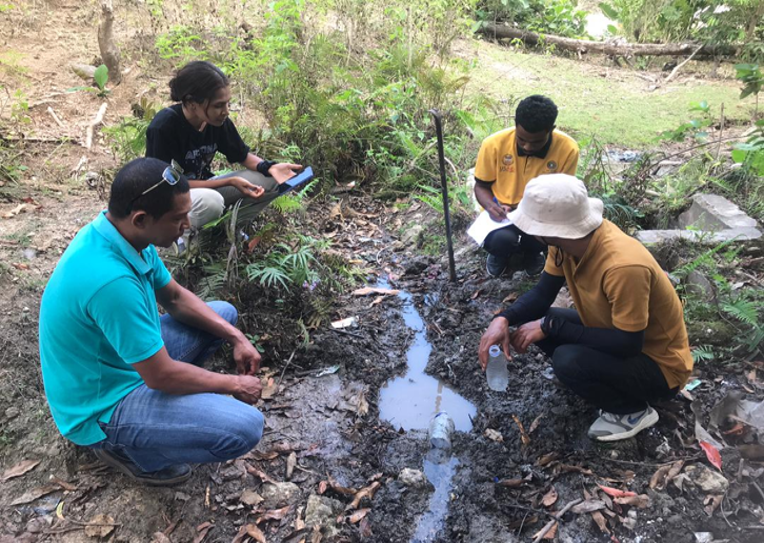
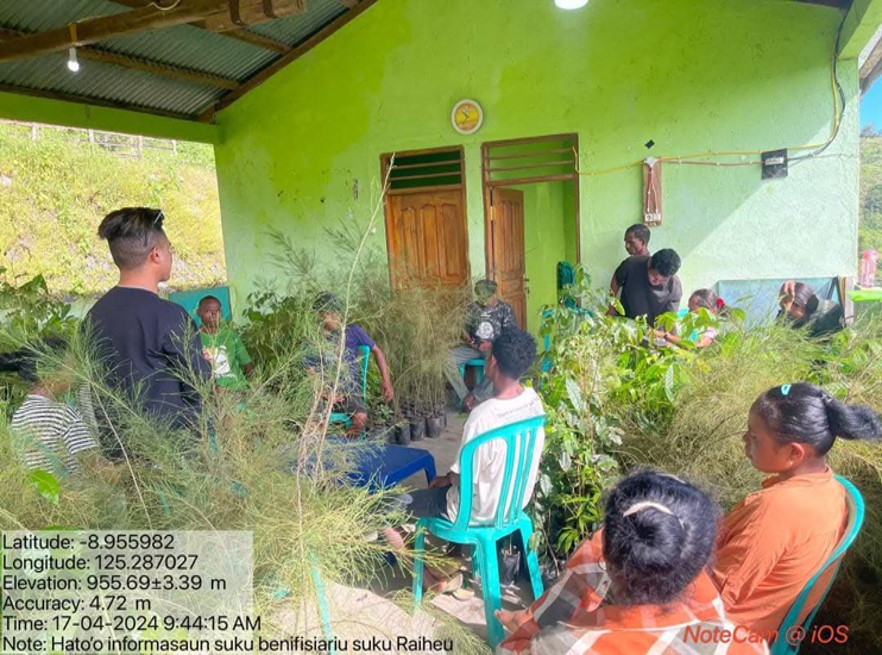
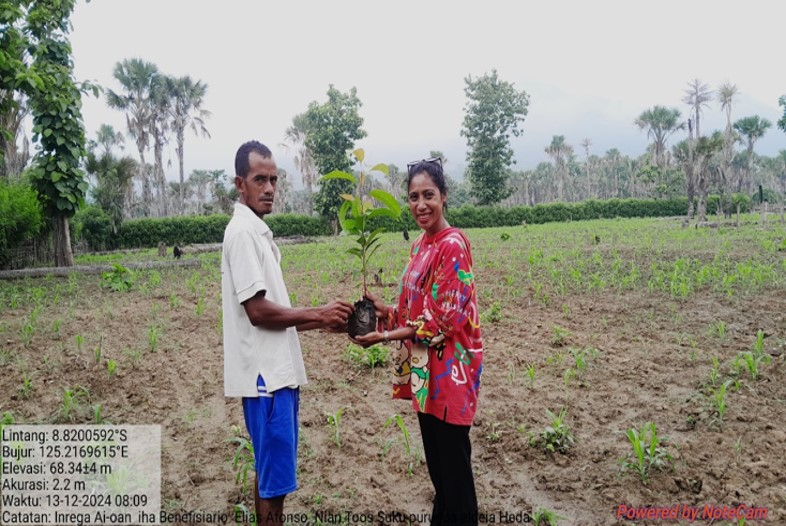
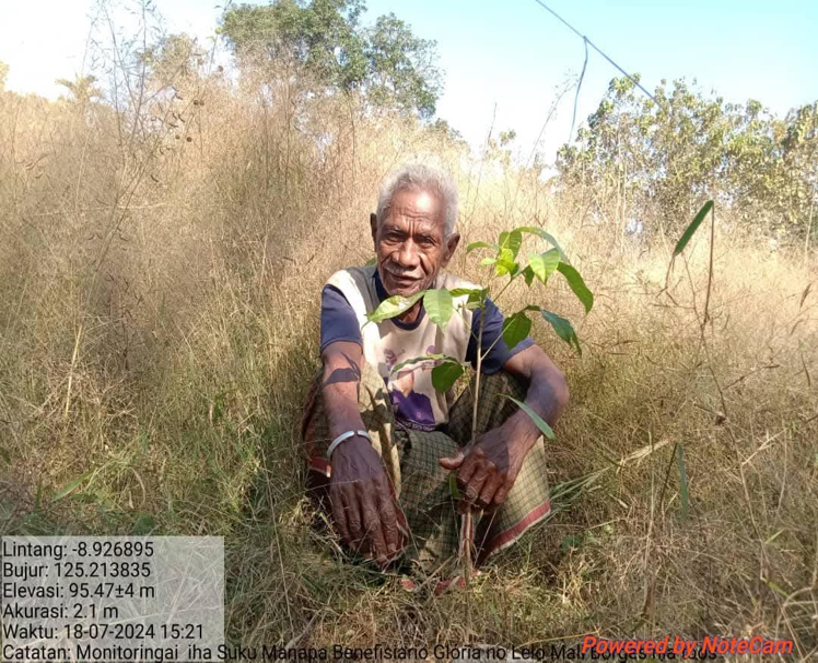
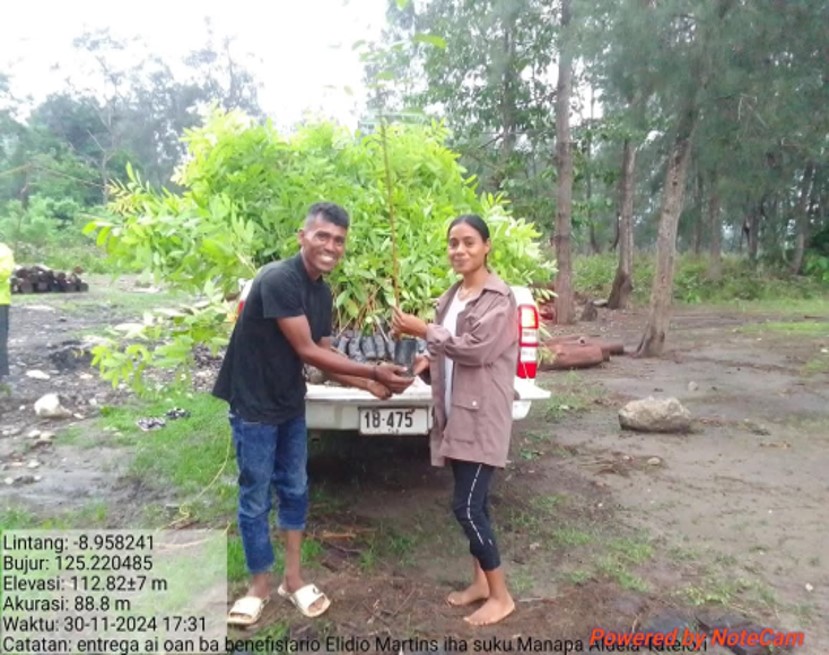
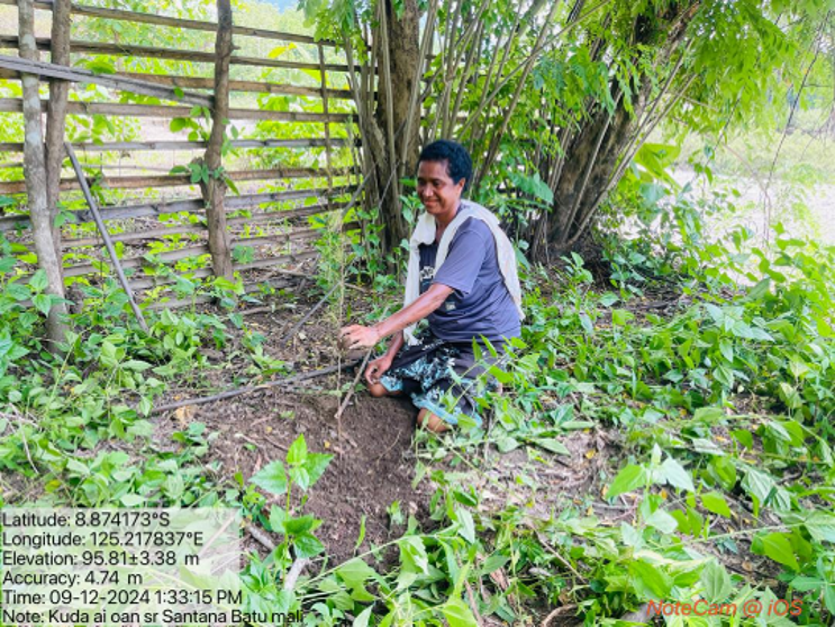
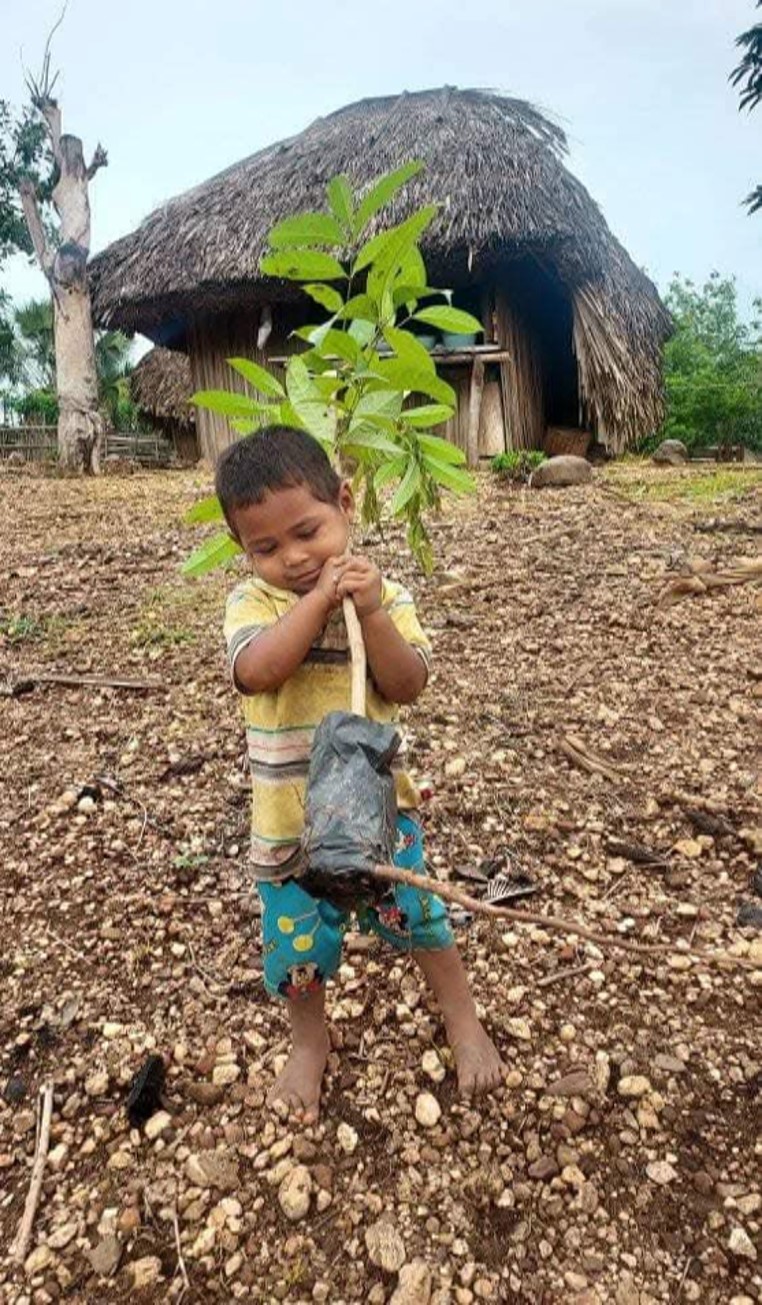
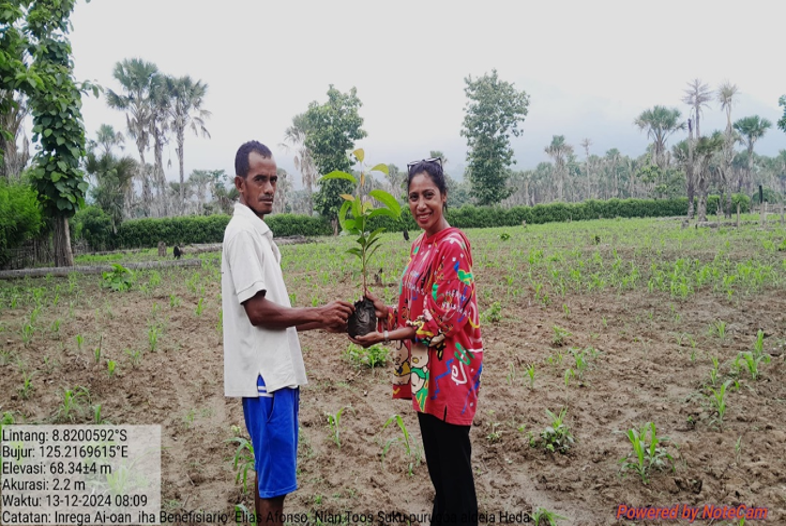
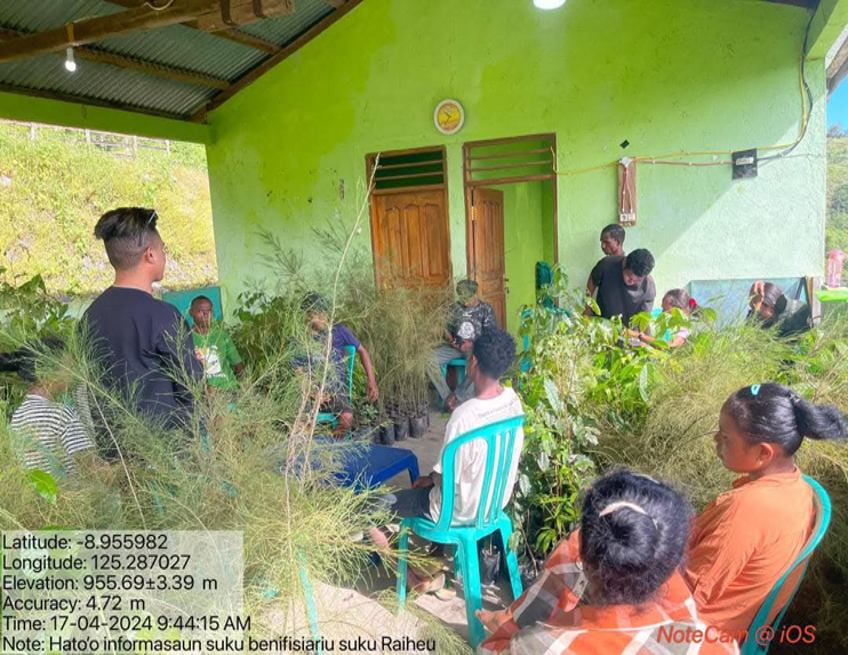
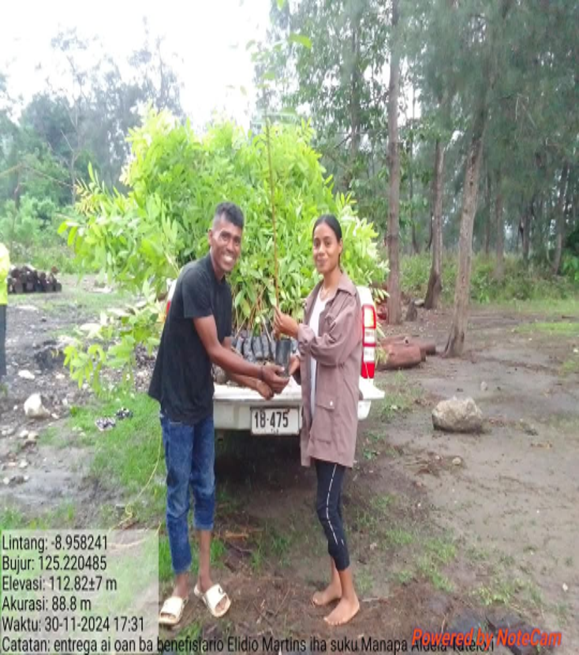
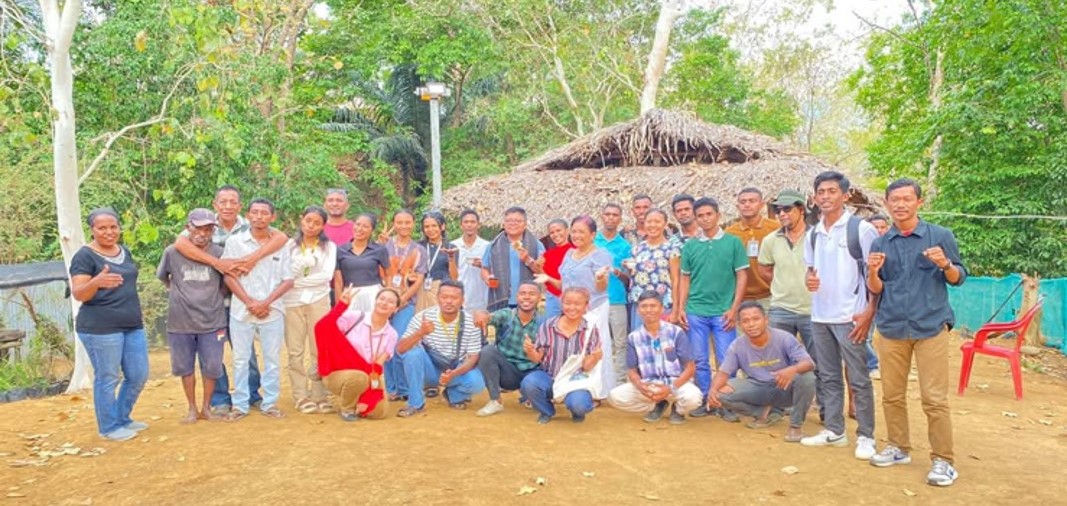
Haburas Moris will accompany the women with technical support, contributing practical inputs (small plants, seeds, agricultural tools, hives for the bees, etc.) and enabling the process of production, testing, adjusting, selling, and improving both production and marketing. The idea is to gain practical experience in agroforestry, understand what options can best contribute to individual, family and collective livelihoods, and decide what is worth pursuing and what it is not. Haburas Moris will pay particular attention to help the women as they reflect on the pros and cons of individual versus collective options for producing, buying inputs and marketing outputs, but also the much broader human value of solidarity. Throughout the initiative, the role of Haburas Moris will be the one of facilitator and enabler, regularly organizing meetings in suitable safe places, providing refreshments, facilitating dialogue and making sure that the women recognize and respect one another as peers, but also see their own group as a ground for mutual solidarity and empowerment: what is impossible for an individual is often possible for a solidarity group!
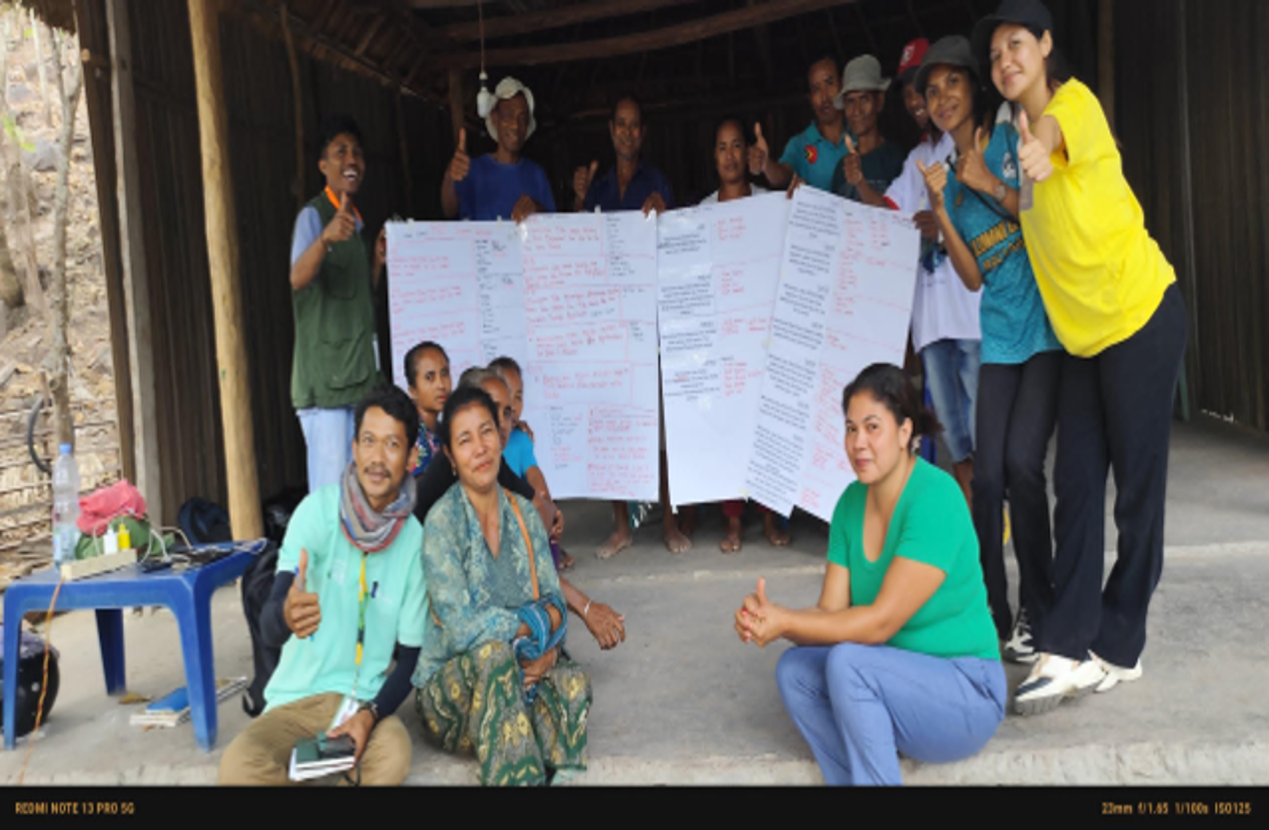
In fact, the value of a group is only partially economic. Besides practical work and production in the field, the group will nourish social relations and collective learning, as well as the practical application of traditional knowledge and skills, and the revitalization of cultural ceremonies that promote a sense of shared identity. To support this, Haburas Moris will encourage the women to bring back to life the customary rituals and processes that enhance the sense of connection with the land and nature, and ensure that women’s knowledge and voices are respected. With this, they will likely strengthen not only livelihood skills but also self-confidence, solidarity, leadership and the appreciation of the women role in their communities. At the end of the first year of the initiative, the women may replicate specific agroforestry practices in their own gardens and farms but are also expected to keep working together in their collective land taking advantage of a specific pot of resources— part of this initiative — destined to a solidarity project identified and organized independently by the women, based on their learnings. At the end of the second year of the initiative, Haburas Moris will facilitate a meeting with the women group to identify and evaluate the lessons they have learned in terms of both agroforestry and solidarity and plan their own next steps.